Why More Homeowners Are Choosing Professional Cleaning Services in 2026

There was a time when hiring someone to clean your house felt like a luxury reserved for the ultra-busy or the ultra-wealthy. That mindset is officially outdated. Walk through any neighborhood in Niagara Falls, St. Catharines, or Welland today, and there’s a good chance several of your neighbours already have a cleaning crew on a recurring schedule. It isn’t about being unable to clean your own home. It’s about deciding that your time, energy, and peace of mind are worth more than a Saturday spent scrubbing grout. In 2026, that decision has become mainstream. Homeowners across the Niagara Region and beyond are rethinking what “keeping a clean home” actually means, and more of them than ever are outsourcing the job to professionals who do it faster, better, and more consistently. This shift isn’t a passing trend either – it’s backed by real economic, social, and health-driven forces that are reshaping how Canadian households manage their homes. Part of this shift comes down to simple economics. As homes get more expensive to buy and maintain, owners are more motivated to protect that investment properly, and a well-maintained property holds its value better over time. Part of it comes down to changing attitudes about what “free time” is actually for. A generation that grew up watching parents burn entire weekends on housework is now actively choosing not to repeat that pattern, and professional cleaning has become one of the easiest ways to buy that time back without sacrificing a clean, healthy home. In this guide, we’ll walk through exactly why professional cleaning services are having a moment in 2026, what’s driving the demand, the real benefits homeowners are experiencing, and how to choose a cleaning company you can actually trust with your home. The Cleaning Industry Is Booming – Here’s What the Numbers Say The growth isn’t anecdotal. The global cleaning services market is on track to reach roughly $330 billion in 2026, and industry researchers expect the broader market to climb toward $770 billion by 2033, growing at a compound annual rate above 7% starting this year. Residential cleaning specifically is projected to grow at a steady clip through the rest of the decade, driven largely by busier households looking for time-saving solutions. Commercial cleaning is expanding just as fast, with contract cleaning services generating hundreds of millions of dollars in revenue this year alone, fueled by heightened expectations around hygiene in offices, healthcare facilities, and schools. Even niche categories like carpet and upholstery cleaning are projected to grow at nearly 9% annually through 2033, as homeowners pay closer attention to indoor air quality and allergens. What does all of this mean for the average homeowner in Niagara? It means professional cleaning has moved from a “nice extra” to a mainstream household service, the same way lawn care or grocery delivery became normal over the last decade. The infrastructure, the workforce, and the consumer demand have all matured at the same time, making it easier and more affordable than ever to bring in professional help. There’s also a supply-side story worth mentioning. Cleaning businesses are investing more heavily in scheduling software, route optimization, and digital communication tools this year, which means booking, rescheduling, and paying for service is far less friction-heavy than it used to be. A homeowner can now request a quote, confirm a visit, and manage recurring service almost entirely online, without the back-and-forth phone tag that used to make hiring a cleaner feel like a hassle. That convenience alone has removed one of the biggest barriers that used to keep people cleaning their own homes out of sheer inertia. At the same time, price increases across the industry are real. A majority of cleaning businesses report raising prices over the past year, largely due to inflation, rising material costs, and labour costs. That’s worth knowing going in, but it also underscores why choosing an established, well-run company matters – you want a team that can maintain quality and reliability even as the industry adjusts around them, not one cutting corners to compete on price alone. What’s Fueling the Surge in Professional Cleaning Services This Year There isn’t one single reason homeowners are booking professional cleaning services in record numbers. It’s a combination of lifestyle shifts, economic pressure, and a genuine change in how people think about their homes. Dual-Income Households and the Great Time Crunch Single-income homeownership is becoming the exception rather than the rule across Ontario, with dual-income households now the norm for most buyers. When both partners are working full-time, the hours that used to go toward vacuuming, scrubbing bathrooms, and doing laundry simply don’t exist anymore. Something has to give, and for a growing number of households, that something is the cleaning. This isn’t laziness. It’s simple math. If two adults are each working 40-plus hours a week, commuting, managing kids’ schedules, and trying to preserve some semblance of a personal life, spending four to six hours every weekend on deep cleaning stops making sense – especially when a professional team can do the same job in a fraction of the time. Think about what that time is actually worth. If a couple values their combined free time at even a modest hourly rate, four to six hours of cleaning every week adds up to a real number over the course of a year – and that’s before factoring in the mental energy spent nagging each other about whose turn it is to clean the bathroom. When you frame it that way, professional cleaning stops looking like an indulgence and starts looking like a fairly obvious trade: pay for the hours you don’t have, and get them back for the things that actually matter to you. Niagara’s Housing Market Is Raising the Bar on Home Care The Niagara housing market has cooled slightly over the past year, with the average residential sale price dipping and the region shifting toward a more balanced, buyer-friendly market heading into 2026. But here’s the interesting part: even in
The Ultimate Year-Round Property Maintenance Checklist for Niagara Homeowners (2026 Guide)

If you own a home anywhere in the Niagara Region, you already know your property doesn’t get an easy ride. One month you’re raking soggy leaves in the rain, the next you’re chipping ice off the front steps, and by July you’re back out there wrestling with the lawn before the heat sets in. It’s a lot. And if you’re like most homeowners, you’re probably tackling maintenance the same way most people tackle a messy garage: only when it becomes impossible to ignore. That reactive approach is exactly what ends up costing people the most money. A cracked downspout you meant to fix “eventually” can turn into a flooded basement. A furnace filter you forgot to swap can shorten the life of your whole HVAC system. This is where a proper year-round property maintenance checklist earns its keep. It turns a long list of vague, anxiety-inducing “someday” tasks into a simple, seasonal rhythm you can actually follow. In this guide, we’re walking you through a complete year-round property maintenance checklist built specifically for homeowners and property managers across Niagara Falls, St. Catharines, Welland, Fort Erie, Niagara-on-the-Lake, Thorold, and Port Colborne. We’ll cover what to do each season, why it matters, the mistakes we see homeowners make over and over, and when it makes more sense to call in a professional crew instead of spending your Saturday on a ladder. Whether you own a century home in Niagara-on-the-Lake, a newer build in Welland, or a rental property you manage from a distance, the underlying logic is the same: small, consistent effort spread across the year beats one exhausting weekend of catch-up. Bookmark this page, save it to your notes, or print it out and stick it on the fridge. However you use it, treat it as a living reference you come back to every few months rather than something you read once and forget. Why a Year-Round Property Maintenance Checklist Matters in Niagara Before we get into the task-by-task breakdown, it helps to understand why this region in particular demands a more disciplined approach than a generic “spring cleaning” list you’d find online. Niagara’s Climate Puts Extra Stress on Your Property Niagara Falls sits in a genuinely unusual microclimate. The Niagara Escarpment and the region’s position between Lake Erie and Lake Ontario give the Peninsula milder winters than most of Southern Ontario, but that doesn’t mean your property gets off easy. The area still racks up dozens of snowfall days between late fall and spring, along with a long, humid rainy season that stretches through most of the year. That kind of moisture load, freeze-thaw cycling, and heavy snow accumulation is precisely what wears down roofs, gutters, foundations, and driveways faster than homeowners expect. That same freeze-thaw pattern – where temperatures hover around freezing and swing back and forth rather than staying reliably cold – is actually harder on a home than a deep, consistent winter. Water gets into small cracks, freezes, expands, and widens the crack. Do that dozens of times a season and you’ve got a real problem by spring. The Real Cost of Skipping Maintenance Here’s the part that should get your attention: water damage has become the single biggest driver of home insurance claims in Canada. Water damage accounted for more than 40% of all home insurance claims in the country between 2021 and 2025, and claims tied to external sources like heavy rain, overland flooding, and sewer back-up jumped 94% in just one year. Insurance industry data also puts the average cost of a water damage claim at roughly $23,550 – a number that makes a $150 gutter cleaning look like the bargain of the century. It gets worse for anyone hoping to just “let insurance handle it.” Some major Canadian insurers have introduced a mandatory minimum deductible of $2,500 for water damage claims tied to sewer back-up and overland water coverage, meaning a flooded basement can now cost you thousands out of pocket before your policy even kicks in. A consistent, seasonal approach to property upkeep is no longer just about curb appeal – it’s genuinely protective of your finances. This is the whole point of a year-round property maintenance checklist: it shifts your home care from crisis response to prevention, catching small issues (a loose shingle, a clogged downspout, a cracked seal around a window) before they become five-figure repairs. Property Maintenance Trends Shaping 2026 A few shifts happening across the Canadian property and insurance world are making a disciplined year-round property maintenance checklist even more relevant right now, not just a nice-to-have. Insurers are getting stricter about roof age and upkeep. As claims climb, several major carriers have started tightening requirements around roof maintenance and age before they’ll issue or renew a policy at a reasonable rate. A well-documented maintenance history – inspections, repairs, replacement dates – can make a real difference at renewal time. Deductibles for water-related claims keep rising. As mentioned above, minimum deductibles of $2,500 for sewer back-up and overland water claims are becoming standard rather than the exception. That shifts more of the financial burden for smaller, preventable incidents directly onto homeowners, which makes proactive drainage, grading, and gutter maintenance more valuable than ever. Extreme weather events are becoming less predictable. Insurance data shows Canada absorbed a record-breaking year of weather-related insured losses recently, and Niagara isn’t immune to sudden, intense summer storms even with its comparatively mild winters. A property that’s well-maintained year-round simply handles a surprise downpour or wind event better than one that’s been neglected. More homeowners are bundling services rather than juggling multiple contractors. We’ve seen a clear shift toward property owners wanting one team that handles lawn care in summer and snow removal in winter, rather than switching providers every six months. It’s simpler, and it means whoever is maintaining your property actually knows its history. How to Use This Year-Round Property Maintenance Checklist Break It Down by Season Trying to do “all the home maintenance” in one weekend is how most checklists
How Often Should Commercial Buildings Be Professionally Cleaned? A Complete Facility Manager’s Guide
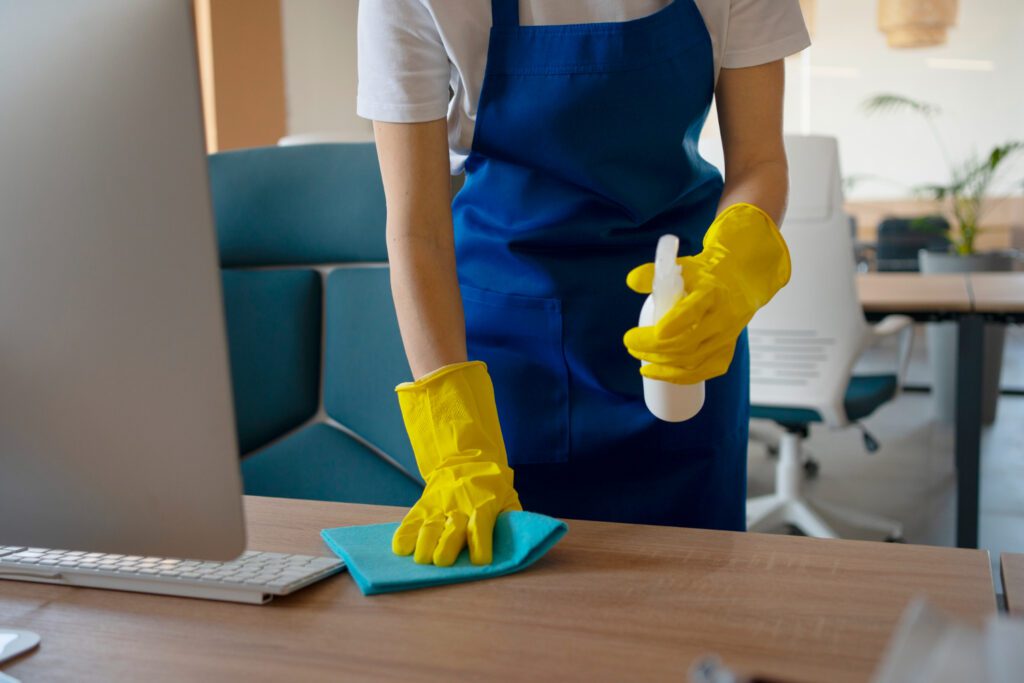
If you manage a building in Niagara Falls, St. Catharines, Welland, or anywhere else across the Niagara Region, you’ve probably asked yourself this question more than once: are we cleaning enough, or are we just spending money out of habit? It’s a fair question. Cleaning contracts are one of those recurring costs that rarely get a second look once they’re set up. But the truth is, how often should commercial buildings be cleaned isn’t something you set once and forget. It changes as your business changes – more foot traffic, a new tenant, flu season, a renovation, longer hours. A schedule that made sense two years ago might be leaving your building under-cleaned today, or you might be paying for visits you don’t actually need. Professional cleaning isn’t just about making a lobby look nice for a Tuesday morning showing. It affects how healthy your employees are, how customers judge your business in the first ten seconds of walking in, and how long your floors, carpets, and HVAC systems last before they need expensive replacement. A 2026 industry report on facility trends put it plainly: businesses are now expected to provide healthier indoor environments, not just tidy-looking ones, and that shift is changing how often professional cleaning actually needs to happen. There is no single answer that fits every building. An office with 20 people working 9-to-5 has very different needs than a 24-hour warehouse or a busy restaurant on Lundy’s Lane. This guide walks through exactly what determines cleaning frequency, what the recommended schedules look like by building type, and how to know when your current plan isn’t cutting it anymore. Think of this less as a rulebook and more as a diagnostic tool. By the end, you should be able to look at your own building and say with confidence whether you’re cleaning too little, too much, or just about right. Why Regular Commercial Cleaning Matters Before getting into schedules and frequencies, it helps to understand why this decision carries more weight than most facility managers give it credit for. Health & Hygiene High-touch surfaces – door handles, light switches, breakroom counters, shared keyboards – collect bacteria fast. Research on workplace cleanliness has found that office desks, phones, and doorknobs can carry hundreds of times more bacteria than a toilet seat simply because nobody thinks to disinfect them the way they would a washroom. Without a consistent cleaning rhythm, those germs build up between visits and spread through a team in days. This matters more in shared commercial spaces than people realize. A single sick employee touching a shared printer, a breakroom kettle, and a meeting room door handle can leave a trail across half the office before lunch. Daily disinfection of those specific touchpoints – not just a general wipe-down – is what actually interrupts that chain. Employee Productivity There’s a real, measurable cost to a dirty workplace. Some workplace studies have linked consistent professional cleaning routines to reductions in employee sick days of up to 30%, alongside noticeable improvements in reported job satisfaction. Beyond the obvious health angle, there’s a psychological cost too – cluttered, visibly dirty spaces force the brain to process disorder in the background, which quietly drains focus even when nobody consciously notices it. Run the math on a mid-sized office and the numbers add up fast. A team of 50 employees who take even one and a half fewer sick days a year because of better hygiene represents tens of thousands of dollars in recovered productivity annually – often more than the entire cost of the cleaning contract itself. For a facility manager building a budget case, that ROI argument tends to land better with leadership than “it’ll look nicer.” First Impressions You never get a second chance at a first impression, and most customers form their opinion of a business within seconds of walking through the door. A retail showroom with dusty shelves or a clinic waiting room with stained carpet tells a visitor something about how the rest of the operation is run, whether that’s fair or not. Asset Protection Floors, carpets, and upholstery are expensive to replace. Dirt and grit act like sandpaper on hard flooring every time someone walks across it, and ground-in soil breaks down carpet fibers permanently if it isn’t extracted regularly. Routine professional cleaning is, in a very real sense, preventative maintenance for your building’s finishes – it’s far cheaper to maintain a floor than to refinish or replace one ahead of schedule. Regulatory Compliance Depending on your industry, cleaning isn’t just a best practice – it’s a legal obligation. Healthcare facilities answer to provincial health authority standards and infection control protocols. Restaurants and food service operations follow public health codes that dictate sanitation frequency in kitchens and washrooms. Falling behind on required cleaning documentation can mean fines, failed inspections, or worse during an outbreak investigation. What Determines How Often a Commercial Building Should Be Cleaned? There’s no universal formula, but there are six factors that consistently drive the right frequency for any given building. Walk through these for your own space and you’ll have a much clearer picture of where you actually stand. Foot Traffic This is the single biggest variable. A small back-office suite with five employees and no visitors needs far less attention than a retail storefront seeing 300 customers a day. More people moving through a space means more dirt tracked in, more surfaces touched, and faster wear on flooring. Industry Type A medical clinic and a law office might be the same square footage, but their cleaning needs aren’t remotely comparable. Healthcare settings deal with bodily fluids and infection control risk. Restaurants deal with grease, food debris, and pest pressure. Industry risk profile changes everything about frequency, products used, and documentation required. Number of Employees More people on-site means more washroom usage, more breakroom mess, more trash generated, and more surfaces touched throughout the day. A building that goes from 30 employees to 90 employees needs its cleaning schedule
Best Lawn Care Service in Niagara Falls – Why NLLC Stands Out

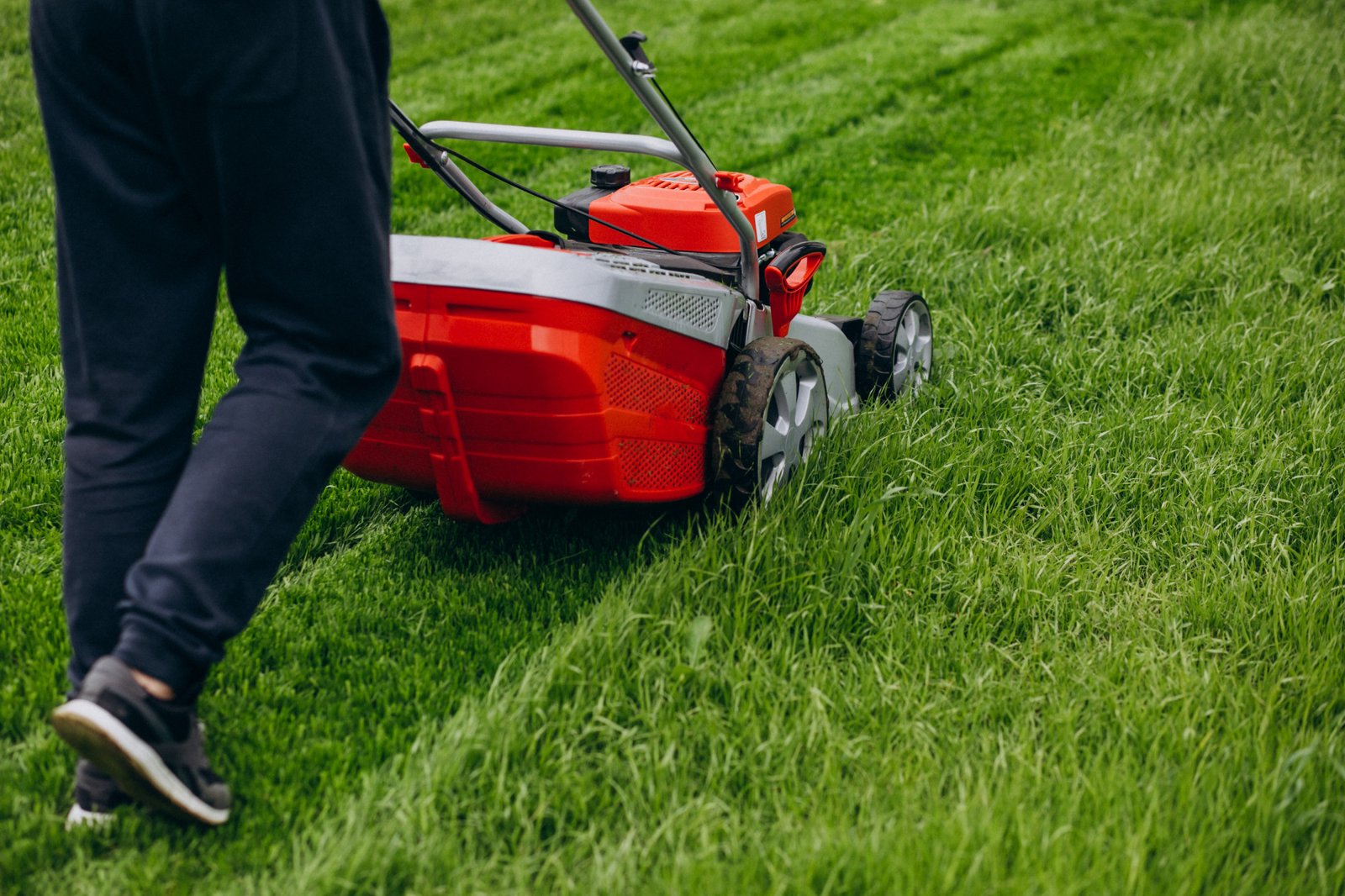
Maintaining a lush, green lawn requires time, consistency, and expert care. Whether you’re a homeowner, property manager, or business owner in the Niagara Region, finding the best lawn care service in Niagara Falls is key to keeping your outdoor space clean, healthy, and inviting. This is where Niagara Landscaping, Lawn Care & Cleaning (NLLC) comes in—offering professional, affordable, and reliable lawn maintenance services tailored to Niagara’s climate and soil conditions. 🌿 Why Lawn Care Matters in Niagara Falls Niagara Falls experiences extreme seasonal changes—from hot, humid summers to snowy, icy winters. This impacts: Without proper care, your lawn can quickly become patchy, overgrown, or damaged. A professional lawn care team ensures your outdoor space stays beautiful year-round. 🏆 Why NLLC is the Best Lawn Care Service in Niagara Falls NLLC isn’t just another lawn mowing company. We offer complete lawn care solutions with a personalized touch, backed by years of experience and a loyal local client base. Here’s why we’re Niagara’s go-to lawn care service: 1. ✅ Full-Service Lawn Maintenance We provide everything your lawn needs: Whether it’s a small residential front yard or a large commercial property, we tailor our services to meet your specific lawn goals. 2. 📍 Locally Owned and Operated in Niagara Falls Being a local business means we understand Niagara’s seasonal patterns and landscape conditions better than anyone else. Our team lives in the same neighborhoods we serve, so we take pride in beautifying our own community. 3. 💬 5-Star Customer Reviews Clients love us for our reliable service, clean finishes, and friendly staff. With a perfect 5-star rating on Google and hundreds of successful projects, we’ve earned a reputation for quality you can trust. 4. 🌱 Eco-Friendly Lawn Practices We care about the environment. That’s why we use eco-conscious techniques like: We keep your lawn green—and the planet greener. 5. 🕐 Flexible Scheduling & Affordable Pricing You choose the service schedule: weekly, bi-weekly, or monthly. Plus, we offer competitive pricing for all property sizes, so top-quality lawn care doesn’t have to break the bank. Request a free quote today → 🏡 Residential Lawn Care Services in Niagara Homeowners across Niagara Falls trust NLLC for regular lawn maintenance. Our residential packages include: Want your yard to be the envy of your street? Let our team handle the hard work while you relax and enjoy the view. 🏢 Commercial Lawn Maintenance Services We also serve commercial clients such as: First impressions matter. Keep your business property looking clean and professional with routine lawn care from NLLC. 🧰 Seasonal Services: Spring, Fall & Snow Beyond lawn mowing, we offer seasonal property services including: With Niagara’s unpredictable seasons, having a full-service property care partner like NLLC is essential. 📸 See Our Work Visit our homepage to see real photos of our past lawn care and landscaping projects around Niagara Falls. You’ll also find client testimonials and before-and-after shots showcasing the quality of our work. 🔗 Related Services Offered by NLLC We are more than just a lawn care company. NLLC offers full-service property maintenance, including: You can rely on a single trusted partner for all your outdoor and indoor property care needs. 📞 Ready to Transform Your Lawn? Don’t settle for patchy grass or inconsistent service. Let Niagara Landscaping, Lawn Care & Cleaning bring your lawn back to life with expert maintenance and top-tier service. 👉 Contact Us Today: 📍 Visit: https://thenllc.ca/contact📞 Call: 1 (705) 465-8787📧 Email: iinfo@thenllc.ca ✅ Final Thoughts When it comes to finding the best lawn care service in Niagara Falls, NLLC checks every box—professionalism, reliability, affordability, and unmatched quality. Whether you need routine mowing, seasonal clean-up, or full yard restoration, we’re here to make your lawn the best-looking one on the block.