Airbnb Cleaning Checklist for 5-Star Reviews: A Complete Niagara Host Guide (2026)
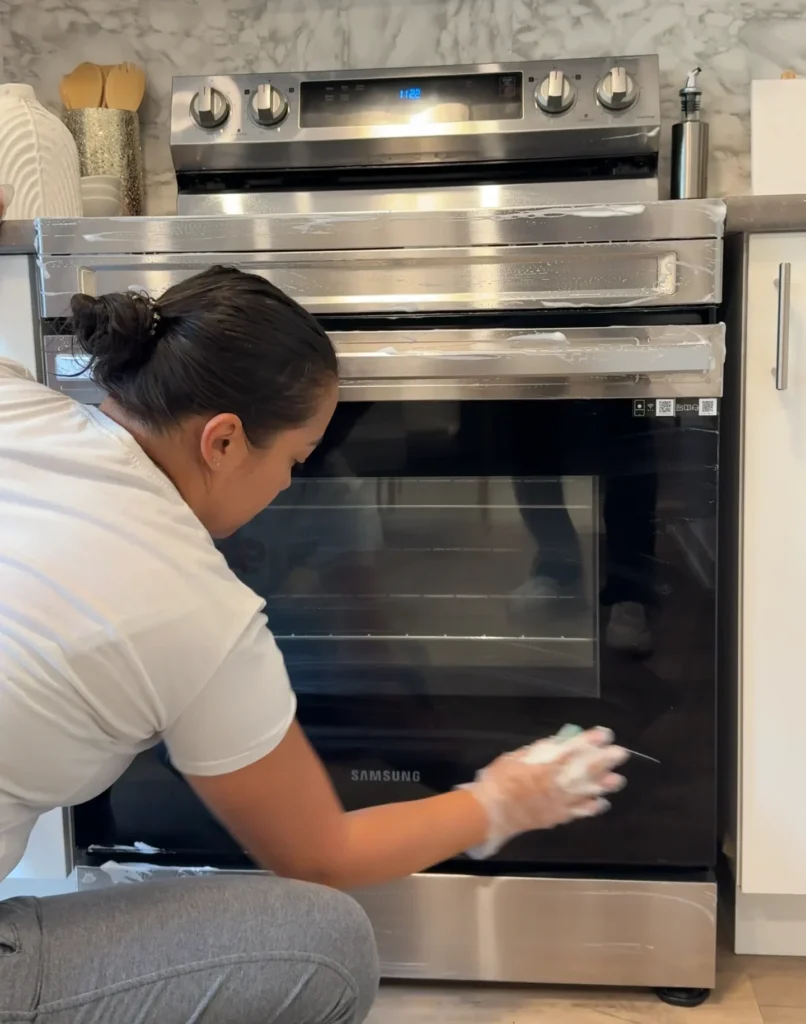
If you host on Airbnb, you already know the truth every experienced host learns the hard way: guests forgive a lot of things, but they rarely forgive a dirty rental. You can have gorgeous photos, a perfect location two minutes from the Falls, and a listing description that reads like a five-star resort brochure. None of that matters if a guest walks in and finds a hair in the shower drain or a sticky kitchen counter. That one moment can undo everything else you worked for. This is why a solid Airbnb cleaning checklist isn’t just a nice-to-have for hosts in the Niagara Region – it’s the single biggest lever you have over your review score, your search ranking, and ultimately your income. Whether you’re renting out a condo in downtown Niagara Falls, a lakeside property in Niagara-on-the-Lake, or a family home in St. Catharines or Welland, the cleaning standard guests expect in 2026 is closer to a boutique hotel than a spare bedroom. In this guide, we’ll walk through exactly what a proper Airbnb cleaning checklist looks like room by room, how Airbnb’s own enhanced cleaning process works, what it actually costs to get this right, and how local Niagara hosts are protecting their ratings – and their bookings – with a repeatable system. This is the same standard our team at NLLC applies to every short-term rental turnover we handle across Niagara Falls, St. Catharines, Welland, Fort Erie, Niagara-on-the-Lake, and Thorold. Why Cleanliness Makes or Breaks Your Airbnb Rating Cleanliness isn’t just one star category among five on your Airbnb listing – it’s the one that guests weigh the heaviest, whether they realize it or not. Industry survey data shows that roughly 90% of guests across Airbnb and Booking.com say cleanliness is a key factor in deciding where to stay, and cleanliness is consistently the most cited category in negative Airbnb reviews. Guests may forgive a slow Wi-Fi connection or a quirky parking situation, but hair in the bathroom, dirty dishes left in the sink, or a musty smell in the bedroom will almost always end up in the written review. There’s also a compounding effect that a lot of new hosts underestimate. Superhost status requires an overall rating of 4.8 or higher, and cleanliness is one of the most common reasons hosts fall short of that bar. Once your cleanliness score dips, Airbnb’s search algorithm can quietly push your listing further down the results page, which means fewer eyes on your property before a guest even gets to your photos. The Real Cost of a Bad Cleanliness Review The financial impact of a poor cleaning experience is bigger than most hosts assume. Around 92% of guests say cleanliness directly influences whether they’ll book with a host again, which makes it as much a retention strategy as a hygiene standard. A single cleanliness-related negative review can reduce future bookings by roughly 5%, and a pattern of ten such reviews can shave close to 2% off total revenue for a property. On top of that, cleaning-related guest complaints – think a refund for a genuinely dirty unit – typically cost hosts anywhere from $50 to $300 per incident, which is often more than the cost of just hiring a professional cleaner in the first place. Put simply: a rushed or inconsistent turnover clean doesn’t just risk one bad review. It risks a slow, quiet decline in your visibility, your booking rate, and your nightly price over time. What Niagara Guests Expect in 2026 Niagara is one of the busiest tourism corridors in Ontario, pulling in more than 12 million visitors a year between the Falls, the wine region, and the Niagara-on-the-Lake theatre and dining scene. That volume means guests are comparing your property against dozens of other options in the same few kilometres – and most of them have stayed in a hotel recently enough to know what “clean” is supposed to feel like. Today’s short-term rental guest expects a full reset between stays, not just a tidy-up. That means fresh, wrinkle-free linens, a bathroom that smells like nothing at all (not perfume, not must), a kitchen with no crumbs or sticky residue, and floors that look and feel freshly cleaned underfoot. Guests are also increasingly used to seeing hotel-style touches, like neatly folded towels or turned-down bedding, and they notice when those small details are missing. If your listing photos show a bright, spotless space, your actual turnover clean has to live up to that promise every single time – not just for the photoshoot. Understanding Airbnb’s 5-Step Enhanced Cleaning Process Airbnb doesn’t leave cleaning standards entirely up to guesswork. The platform maintains a five-step enhanced cleaning process that was originally developed with cleaning and hygiene experts, and it’s still the backbone of what a compliant, guest-ready turnover looks like in 2026. Building your own Airbnb cleaning checklist around these five steps keeps you aligned with what Airbnb itself recommends, and it gives your cleaning team – whether that’s you or a hired crew – a consistent structure to follow every time. Step 1: Prepare Before any actual cleaning starts, open windows or turn on fans to ventilate the space, gather your approved cleaning products and disinfectants, and make sure your equipment (vacuum, mop, cleaning cart) is stocked and in working order. This is also the moment to start laundry – stripping beds and starting linens in the wash early keeps your turnover moving instead of stalling at the end. Step 2: Clean This is the physical removal of dust, dirt, and debris – sweeping, vacuuming, mopping, wiping down every hard surface with soap and water, and washing dishes and laundry on the highest heat setting the fabric or material allows. This step gets the space visibly clean before any disinfecting happens, since sanitizer doesn’t work as well on a surface that’s still covered in grime. Step 3: Sanitize High-touch surfaces get special attention here: door handles, light switches, remote controls, faucet handles, and appliance handles. These