
How Often Should Commercial Buildings Be Professionally Cleaned? A Complete Facility Manager’s Guide
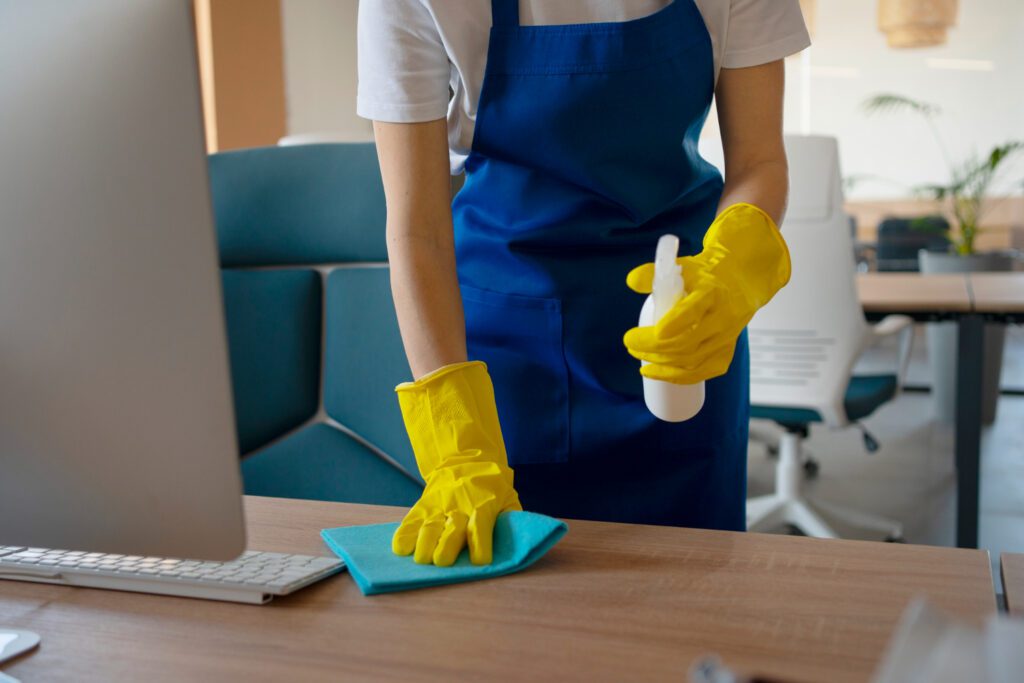
If you manage a building in Niagara Falls, St. Catharines, Welland, or anywhere else across the Niagara Region, you’ve probably asked yourself this question more than once: are we cleaning enough, or are we just spending money out of habit? It’s a fair question. Cleaning contracts are one of those recurring costs that rarely get a second look once they’re set up. But the truth is, how often should commercial buildings be cleaned isn’t something you set once and forget. It changes as your business changes – more foot traffic, a new tenant, flu season, a renovation, longer hours. A schedule that made sense two years ago might be leaving your building under-cleaned today, or you might be paying for visits you don’t actually need. Professional cleaning isn’t just about making a lobby look nice for a Tuesday morning showing. It affects how healthy your employees are, how customers judge your business in the first ten seconds of walking in, and how long your floors, carpets, and HVAC systems last before they need expensive replacement. A 2026 industry report on facility trends put it plainly: businesses are now expected to provide healthier indoor environments, not just tidy-looking ones, and that shift is changing how often professional cleaning actually needs to happen. There is no single answer that fits every building. An office with 20 people working 9-to-5 has very different needs than a 24-hour warehouse or a busy restaurant on Lundy’s Lane. This guide walks through exactly what determines cleaning frequency, what the recommended schedules look like by building type, and how to know when your current plan isn’t cutting it anymore. Think of this less as a rulebook and more as a diagnostic tool. By the end, you should be able to look at your own building and say with confidence whether you’re cleaning too little, too much, or just about right. Why Regular Commercial Cleaning Matters Before getting into schedules and frequencies, it helps to understand why this decision carries more weight than most facility managers give it credit for. Health & Hygiene High-touch surfaces – door handles, light switches, breakroom counters, shared keyboards – collect bacteria fast. Research on workplace cleanliness has found that office desks, phones, and doorknobs can carry hundreds of times more bacteria than a toilet seat simply because nobody thinks to disinfect them the way they would a washroom. Without a consistent cleaning rhythm, those germs build up between visits and spread through a team in days. This matters more in shared commercial spaces than people realize. A single sick employee touching a shared printer, a breakroom kettle, and a meeting room door handle can leave a trail across half the office before lunch. Daily disinfection of those specific touchpoints – not just a general wipe-down – is what actually interrupts that chain. Employee Productivity There’s a real, measurable cost to a dirty workplace. Some workplace studies have linked consistent professional cleaning routines to reductions in employee sick days of up to 30%, alongside noticeable improvements in reported job satisfaction. Beyond the obvious health angle, there’s a psychological cost too – cluttered, visibly dirty spaces force the brain to process disorder in the background, which quietly drains focus even when nobody consciously notices it. Run the math on a mid-sized office and the numbers add up fast. A team of 50 employees who take even one and a half fewer sick days a year because of better hygiene represents tens of thousands of dollars in recovered productivity annually – often more than the entire cost of the cleaning contract itself. For a facility manager building a budget case, that ROI argument tends to land better with leadership than “it’ll look nicer.” First Impressions You never get a second chance at a first impression, and most customers form their opinion of a business within seconds of walking through the door. A retail showroom with dusty shelves or a clinic waiting room with stained carpet tells a visitor something about how the rest of the operation is run, whether that’s fair or not. Asset Protection Floors, carpets, and upholstery are expensive to replace. Dirt and grit act like sandpaper on hard flooring every time someone walks across it, and ground-in soil breaks down carpet fibers permanently if it isn’t extracted regularly. Routine professional cleaning is, in a very real sense, preventative maintenance for your building’s finishes – it’s far cheaper to maintain a floor than to refinish or replace one ahead of schedule. Regulatory Compliance Depending on your industry, cleaning isn’t just a best practice – it’s a legal obligation. Healthcare facilities answer to provincial health authority standards and infection control protocols. Restaurants and food service operations follow public health codes that dictate sanitation frequency in kitchens and washrooms. Falling behind on required cleaning documentation can mean fines, failed inspections, or worse during an outbreak investigation. What Determines How Often a Commercial Building Should Be Cleaned? There’s no universal formula, but there are six factors that consistently drive the right frequency for any given building. Walk through these for your own space and you’ll have a much clearer picture of where you actually stand. Foot Traffic This is the single biggest variable. A small back-office suite with five employees and no visitors needs far less attention than a retail storefront seeing 300 customers a day. More people moving through a space means more dirt tracked in, more surfaces touched, and faster wear on flooring. Industry Type A medical clinic and a law office might be the same square footage, but their cleaning needs aren’t remotely comparable. Healthcare settings deal with bodily fluids and infection control risk. Restaurants deal with grease, food debris, and pest pressure. Industry risk profile changes everything about frequency, products used, and documentation required. Number of Employees More people on-site means more washroom usage, more breakroom mess, more trash generated, and more surfaces touched throughout the day. A building that goes from 30 employees to 90 employees needs its cleaning schedule