The Complete Guide to Professional Lawn Care: Expert Tips for a Healthier Niagara Lawn
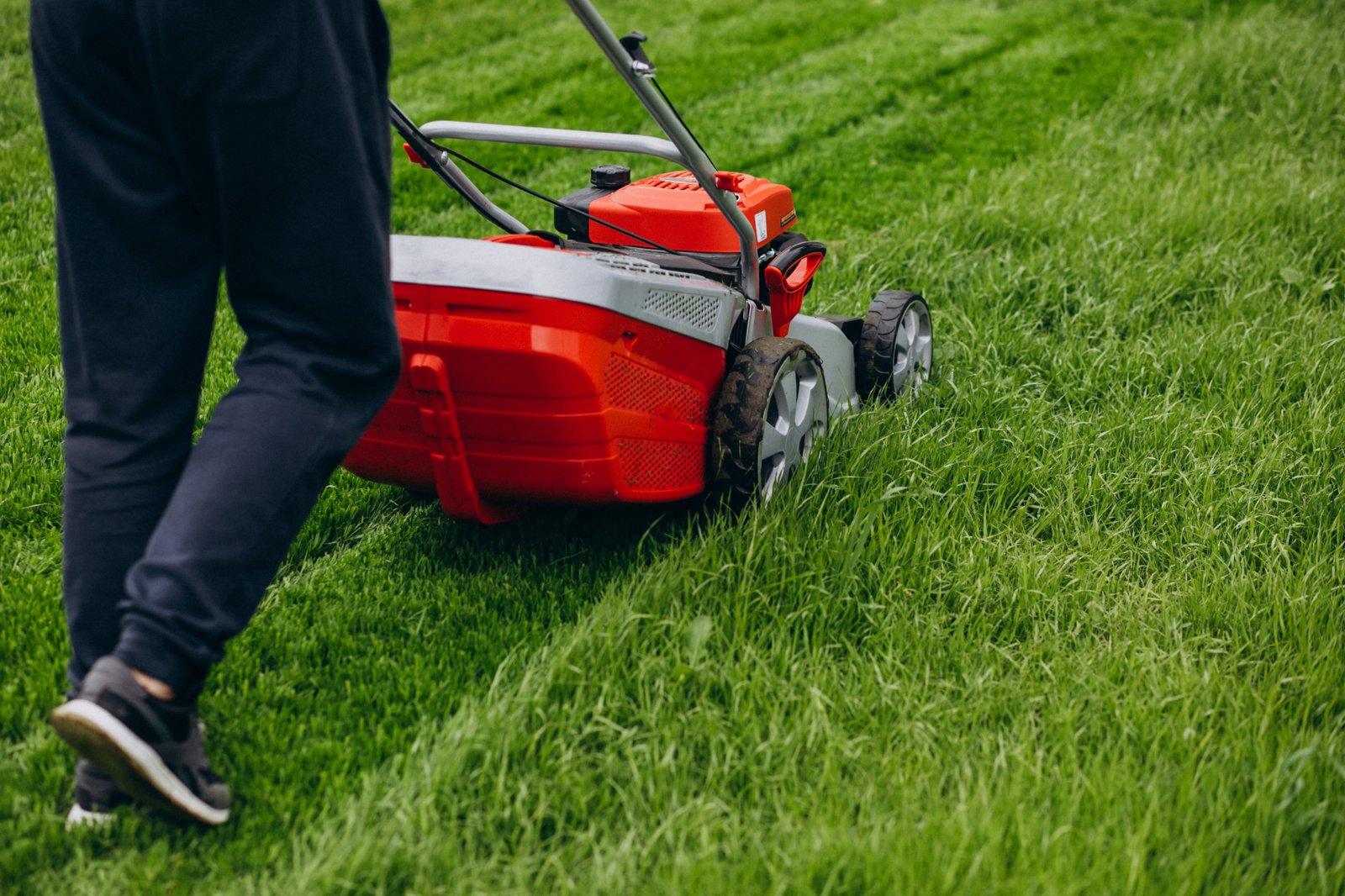
If you have ever stood in your driveway looking at your neighbour’s lawn and wondered why theirs looks like a golf course while yours looks patchy, tired, and a little embarrassing, you are not alone. Most homeowners in the Niagara Region are doing more lawn work than they need to, and still not getting the results they want. They are watering at the wrong time, mowing too short, fertilizing on the wrong schedule, and fighting weeds and grubs without ever addressing what’s actually causing them. The truth is, a great lawn is not about luck, expensive equipment, or spending every Saturday behind a mower. It comes down to understanding a handful of core principles and applying them consistently, at the right time of year, for your specific soil and climate. That is exactly what professional lawn care does – and it is exactly what this guide will walk you through, step by step. Whether you are a homeowner in Niagara Falls trying to get your lawn back on track, a business owner who wants a property that reflects well on your brand, or simply someone who wants to understand what you are paying for when you hire a lawn care company, this guide covers everything: mowing, fertilizing, watering, aeration, pest control, seasonal timing, current industry trends, and realistic 2026 pricing for Ontario. What Does a Full Lawn Care Program Actually Include? When people hear “lawn care,” they usually picture someone pushing a mower across a yard once a week. In reality, professional lawn care is a coordinated program built around your grass’s biology and your region’s growing season. It is the difference between reacting to problems as they show up and preventing them before they start. Core Services in a Full Lawn Care Program A complete lawn care program typically includes several layered services that work together rather than in isolation: None of these services work particularly well on their own. Fertilizing a lawn that is mowed too short, for example, just feeds grass that cannot hold onto the nutrients. Aerating a lawn that is never overseeded leaves the holes open for crabgrass to move into. The value of a coordinated program is that each step supports the next one. How a Professionally Managed Lawn Differs From DIY Maintenance DIY lawn care is not a bad idea – plenty of homeowners maintain excellent lawns on their own. The difference usually comes down to three things: timing, equipment, and diagnosis. A professional crew mows with sharp, properly calibrated commercial blades, applies fertilizer at rates matched to your soil rather than a generic bag instruction, and has seen enough lawns to recognize the early signs of grub damage or fungal disease before they spread. A homeowner fertilizing based on when the bag happens to be on sale at the hardware store, or mowing whenever the weekend allows, is working against the plant’s schedule rather than with it. That mismatch is the single biggest reason DIY lawns underperform compared to professionally maintained ones, even when the homeowner is putting in real effort. Understanding Your Niagara Region Lawn Before touching a mower or a fertilizer spreader, it helps to understand what you are actually working with. Grass in the Niagara Region – covering Niagara Falls, St. Catharines, Welland, Fort Erie, Niagara-on-the-Lake, Thorold, and Port Colborne – behaves differently than grass in warmer or drier parts of the continent, and treating it like a generic “lawn” is where a lot of homeowners go wrong. Common Grass Types in the Niagara Region The overwhelming majority of lawns across Southern Ontario are made up of cool-season grasses, primarily Kentucky bluegrass, perennial ryegrass, and various fescues, often blended together. Cool-season grasses have two natural growth surges each year: one in spring as soil warms, and a stronger one in fall as temperatures drop and moisture returns. They go semi-dormant during the peak heat of July and August, which is exactly when homeowners tend to panic and over-water or over-fertilize, often making things worse. Understanding this growth pattern changes how you should approach almost every part of maintenance. It explains why fall, not spring, is the season professionals treat as the most important for feeding, seeding, and repair work. Soil and Climate Factors That Affect Growth Niagara’s clay-heavy soil in many neighbourhoods holds water and nutrients longer than sandy soil, which sounds like an advantage until you realize it also compacts easily and drains poorly after heavy rain. Compacted clay soil is one of the most common hidden reasons a lawn looks thin no matter how much fertilizer goes down – the roots simply cannot access what they need underground. The region’s humid summers also create ideal conditions for certain fungal diseases and surface-feeding insects, which is worth keeping in mind later in this guide. Mowing the Right Way Mowing feels like the simplest part of lawn care, and it is also the part homeowners get wrong most often. The mistake almost always goes in the same direction: cutting too short. Cool-season grasses like the bluegrass and fescue common across Niagara should generally be kept between 2.5 and 4 inches, and most turf specialists now recommend staying toward the taller end of that range, especially through summer. Longer grass blades shade the soil, which keeps roots cooler, reduces water loss, and blocks sunlight from reaching weed seeds before they can germinate. Grass cut too short does the opposite – it stresses the plant, exposes bare soil, and invites weeds and pests to move in. The other rule that matters just as much as height is the one-third rule: never remove more than one-third of the grass blade in a single cut. If your lawn is at 4 inches, the lowest you should mow it is 2.5 to 3 inches. Removing more than that in one pass shocks the plant and can trigger a stress response that shows up as yellowing days later. During peak spring growth, this often means mowing more frequently rather than cutting shorter, so you
The Complete Guide to Professional Lawn Care: Expert Tips for a Healthier Niagara Lawn
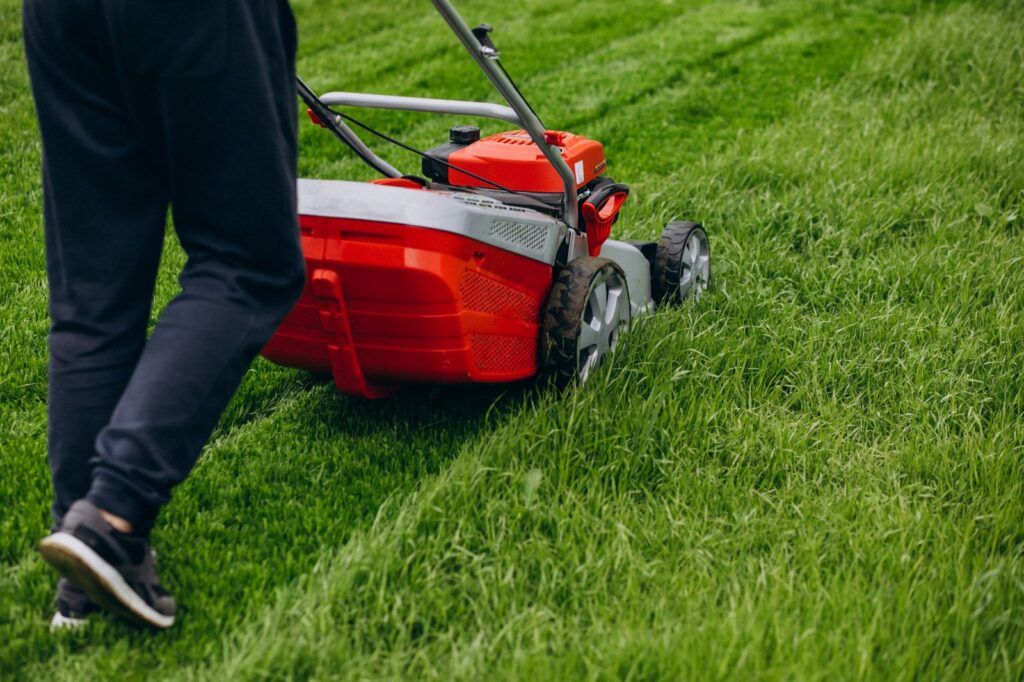
If you have ever stood in your driveway looking at your neighbour’s lawn and wondered why theirs looks like a golf course while yours looks patchy, tired, and a little embarrassing, you are not alone. Most homeowners in the Niagara Region are doing more lawn work than they need to, and still not getting the results they want. They are watering at the wrong time, mowing too short, fertilizing on the wrong schedule, and fighting weeds and grubs without ever addressing what’s actually causing them. The truth is, a great lawn is not about luck, expensive equipment, or spending every Saturday behind a mower. It comes down to understanding a handful of core principles and applying them consistently, at the right time of year, for your specific soil and climate. That is exactly what professional lawn care does – and it is exactly what this guide will walk you through, step by step. Whether you are a homeowner in Niagara Falls trying to get your lawn back on track, a business owner who wants a property that reflects well on your brand, or simply someone who wants to understand what you are paying for when you hire a lawn care company, this guide covers everything: mowing, fertilizing, watering, aeration, pest control, seasonal timing, current industry trends, and realistic 2026 pricing for Ontario. What Does a Full Lawn Care Program Actually Include? When people hear “lawn care,” they usually picture someone pushing a mower across a yard once a week. In reality, professional lawn care is a coordinated program built around your grass’s biology and your region’s growing season. It is the difference between reacting to problems as they show up and preventing them before they start. Core Services in a Full Lawn Care Program A complete lawn care program typically includes several layered services that work together rather than in isolation: None of these services work particularly well on their own. Fertilizing a lawn that is mowed too short, for example, just feeds grass that cannot hold onto the nutrients. Aerating a lawn that is never overseeded leaves the holes open for crabgrass to move into. The value of a coordinated program is that each step supports the next one. How a Professionally Managed Lawn Differs From DIY Maintenance DIY lawn care is not a bad idea – plenty of homeowners maintain excellent lawns on their own. The difference usually comes down to three things: timing, equipment, and diagnosis. A professional crew mows with sharp, properly calibrated commercial blades, applies fertilizer at rates matched to your soil rather than a generic bag instruction, and has seen enough lawns to recognize the early signs of grub damage or fungal disease before they spread. A homeowner fertilizing based on when the bag happens to be on sale at the hardware store, or mowing whenever the weekend allows, is working against the plant’s schedule rather than with it. That mismatch is the single biggest reason DIY lawns underperform compared to professionally maintained ones, even when the homeowner is putting in real effort. Understanding Your Niagara Region Lawn Before touching a mower or a fertilizer spreader, it helps to understand what you are actually working with. Grass in the Niagara Region – covering Niagara Falls, St. Catharines, Welland, Fort Erie, Niagara-on-the-Lake, Thorold, and Port Colborne – behaves differently than grass in warmer or drier parts of the continent, and treating it like a generic “lawn” is where a lot of homeowners go wrong. Common Grass Types in the Niagara Region The overwhelming majority of lawns across Southern Ontario are made up of cool-season grasses, primarily Kentucky bluegrass, perennial ryegrass, and various fescues, often blended together. Cool-season grasses have two natural growth surges each year: one in spring as soil warms, and a stronger one in fall as temperatures drop and moisture returns. They go semi-dormant during the peak heat of July and August, which is exactly when homeowners tend to panic and over-water or over-fertilize, often making things worse. Understanding this growth pattern changes how you should approach almost every part of maintenance. It explains why fall, not spring, is the season professionals treat as the most important for feeding, seeding, and repair work. Soil and Climate Factors That Affect Growth Niagara’s clay-heavy soil in many neighbourhoods holds water and nutrients longer than sandy soil, which sounds like an advantage until you realize it also compacts easily and drains poorly after heavy rain. Compacted clay soil is one of the most common hidden reasons a lawn looks thin no matter how much fertilizer goes down – the roots simply cannot access what they need underground. The region’s humid summers also create ideal conditions for certain fungal diseases and surface-feeding insects, which is worth keeping in mind later in this guide. Mowing the Right Way Mowing feels like the simplest part of lawn care, and it is also the part homeowners get wrong most often. The mistake almost always goes in the same direction: cutting too short. Cool-season grasses like the bluegrass and fescue common across Niagara should generally be kept between 2.5 and 4 inches, and most turf specialists now recommend staying toward the taller end of that range, especially through summer. Longer grass blades shade the soil, which keeps roots cooler, reduces water loss, and blocks sunlight from reaching weed seeds before they can germinate. Grass cut too short does the opposite – it stresses the plant, exposes bare soil, and invites weeds and pests to move in. The other rule that matters just as much as height is the one-third rule: never remove more than one-third of the grass blade in a single cut. If your lawn is at 4 inches, the lowest you should mow it is 2.5 to 3 inches. Removing more than that in one pass shocks the plant and can trigger a stress response that shows up as yellowing days later. During peak spring growth, this often means mowing more frequently rather than cutting shorter, so you