
How Clean Properties Get Better Google Reviews: A Niagara Property Owner’s Guide
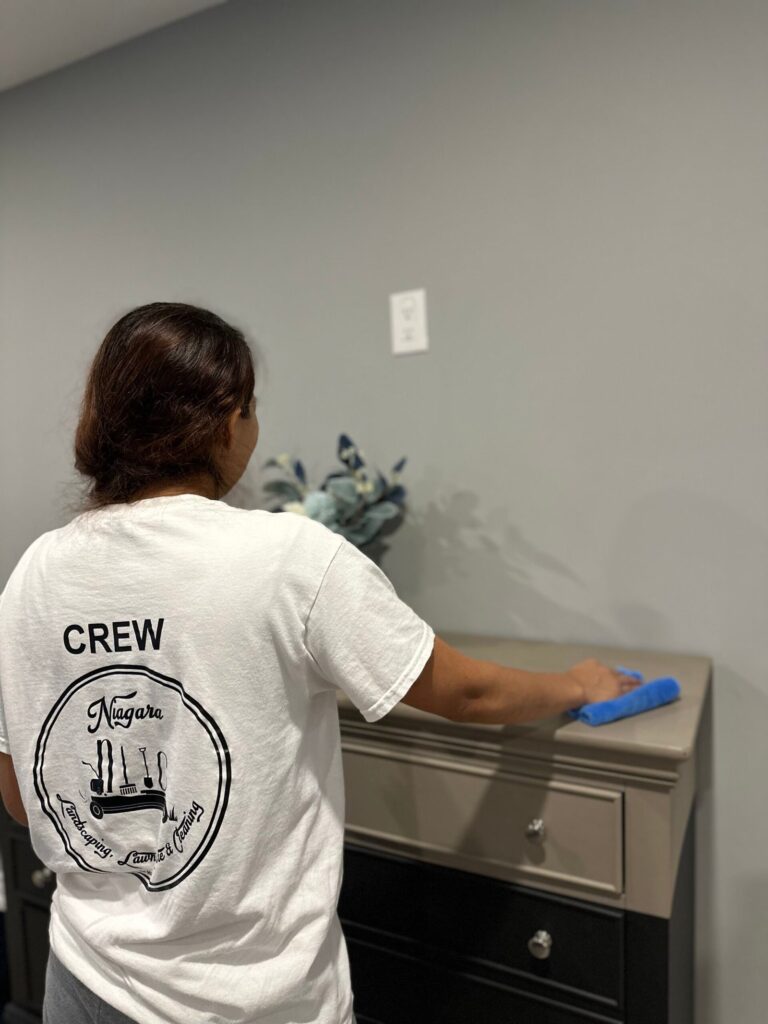
Picture this: a potential tenant, a new commercial client, or a family booking a weekend Airbnb in Niagara Falls pulls out their phone and searches your property’s name. Before they call, before they tour, before they sign anything – they check your Google reviews first. If the top comment mentions a musty hallway, a dusty lobby, or a bathroom that “wasn’t what the photos showed,” that deal is often over before it started. Cleanliness isn’t just about appearances anymore. It’s become one of the loudest signals in your online reputation, and it shows up in almost every review – good or bad. Property owners across St. Catharines, Welland, Niagara Falls, and the wider Niagara Region are starting to realize that a spotless property and a five-star Google profile aren’t two separate goals. They’re the same goal, viewed from two different angles. This guide breaks down exactly how clean properties get better Google reviews, why that connection matters more in 2026 than it ever has before, and what property owners, landlords, and business operators in the Niagara Region can do about it – starting this week. Why Google Reviews Matter More in 2026 Than Ever Before If you’ve felt like reviews carry more weight than they used to, you’re not imagining it. Recent industry survey data shows that 97% of consumers now read reviews before choosing a local business, and the share of people who say they “always” check reviews before browsing jumped from 29% to 41% in just twelve months. That’s a massive shift in a single year, and it means the days of a casual glance at your star rating are over. People are reading closely, comparing across multiple platforms, and forming an opinion about your property before they ever pick up the phone. The bar has also gotten higher. Consumers now use an average of six different review sites before making a decision, and nearly a third of them say they won’t consider a business rated below 4.5 stars – almost double the share who said the same thing just a year earlier. Star ratings alone aren’t enough anymore, either. Roughly half of consumers won’t even consider a business with fewer than 20 reviews, no matter how high the rating looks. Recency matters too. Most people say they only fully trust reviews written within the past month, and a large majority prioritize feedback from the last few months over anything older. A property that hasn’t collected a fresh review in six months can look stagnant next to a competitor with a steady trickle of recent, glowing comments – even if the older reviews were excellent. There’s also a financial reality behind all of this. Properties and service businesses that actively respond to their reviews tend to see meaningfully higher revenue than those that ignore them, and each additional star on a review profile has been linked to measurable increases in bookings, leads, and conversions. On the flip side, a single bad review can be costly – some estimates suggest one negative review can quietly cost a business dozens of potential customers who simply move on to the next search result. For property managers, landlords, Airbnb hosts, and commercial building owners in the Niagara Region, this isn’t abstract marketing theory. It’s the difference between a fully leased building with a waitlist and a property that sits listed for months. And more often than not, the fastest, most controllable lever you have to pull is cleanliness. The Rise of AI-Powered Local Search One more shift is worth noting for 2026: people aren’t only reading reviews directly on Google anymore. AI-driven search tools have surged as a discovery channel for local businesses, jumping from a small fraction of local searches to a significant share in a single year, according to recent local SEO research. These AI tools pull directly from review content – the specific language guests and tenants use – to summarize a business’s reputation before a person even lands on a website or Business Profile. That means the actual wording inside your reviews matters more than ever. A review that says “the unit was spotless and smelled fresh” carries different weight, in an AI-summarized world, than a generic “good experience, would recommend.” Consistently clean properties tend to generate the specific, descriptive language that both human readers and AI tools latch onto. The Direct Link Between Cleanliness and Star Ratings What Guests and Tenants Actually Say in Reviews Read through a stack of negative reviews for any residential, commercial, or short-term rental property, and a pattern emerges almost immediately. Complaints rarely start with “the price was too high” or “the location was inconvenient.” They start with something visible, physical, and immediate: a stained carpet, a dusty vent, a sticky countertop, a bathroom that didn’t match the listing photos. Research into short-term rental reviews backs this up in a concrete way. One industry study found that 97% of guests consider cleanliness the single most important factor in their overall satisfaction – ahead of amenities, location, and even price. Academic research analyzing thousands of guest reviews has similarly identified unclean rooms, unwashed bedding, and lingering odours as some of the most consistently mentioned reasons guests refuse to recommend a property to others. Cleanliness isn’t one factor among many. In review after review, it’s the factor. The same pattern holds true for commercial and residential property management, even though the language is different. Tenants don’t usually write “the lobby wasn’t vacuumed” as a throwaway line – they lead with it, because it colours everything else about how they perceive the building. A dirty entryway suggests deferred maintenance. A grimy shared kitchen suggests a landlord who doesn’t check in. A property that smells clean and looks cared for, on the other hand, quietly earns trust before a single word is exchanged. The Psychology of “First Impression” Cleanliness Here’s something property owners often underestimate: people judge cleanliness within seconds, and that judgment is emotional before it’s rational. A prospective tenant walking into a building