
Beyond Clean Desks: How Professional Cleaning Services Boost Employee Productivity and Workplace Performance
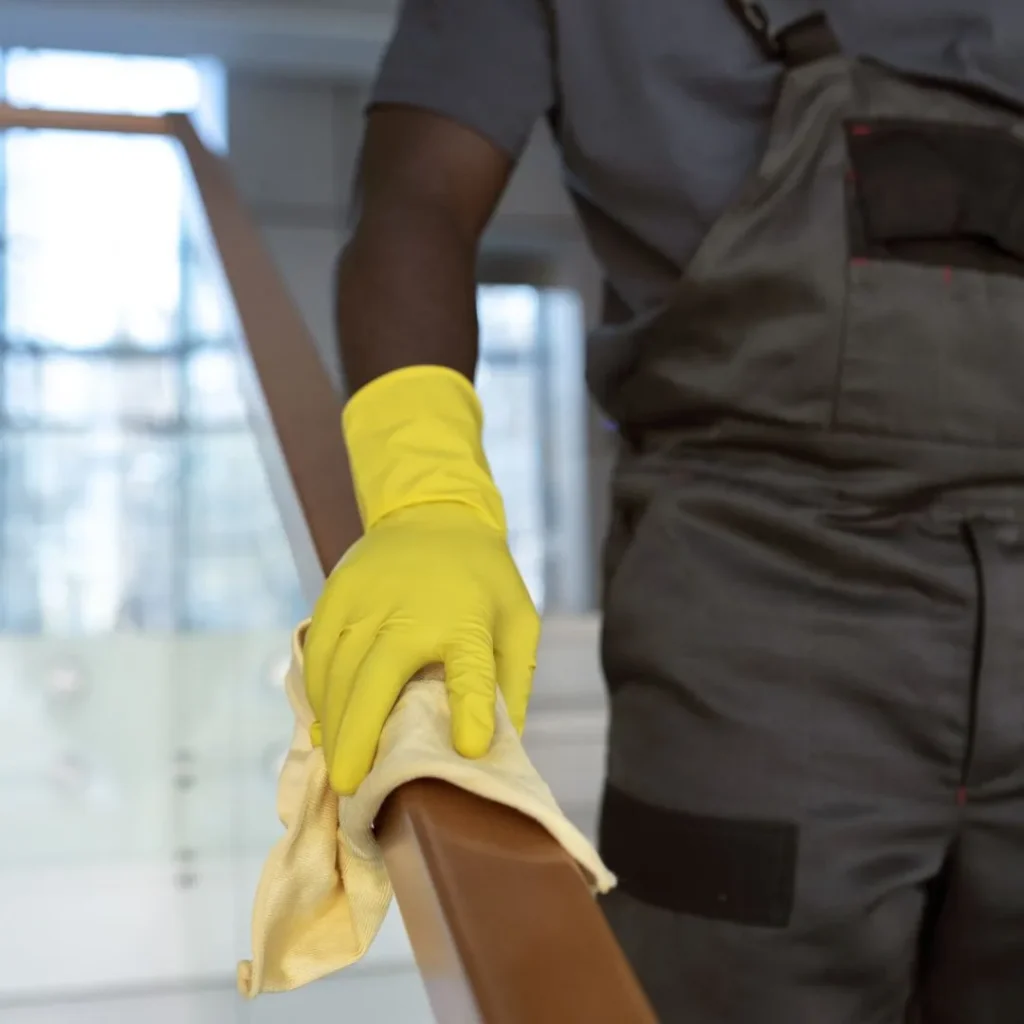
When business owners think about boosting productivity, they usually reach for the obvious levers first: better software, leaner processes, more training, tighter management. Those things matter. But there’s a factor that gets overlooked far more often than it should, and it’s sitting right under everyone’s feet and fingertips every single day – the physical condition of the workplace itself. A dusty vent, a sticky breakroom counter, a bathroom that never quite smells clean, a carpet with three-year-old coffee stains – none of these seem like they should matter much on their own. But add them up across a forty-hour work week, and they start to chip away at focus, morale, and health in ways that show up directly on the bottom line. Employees notice a dirty environment even when they don’t say anything about it, and that silent noticing has a cost. This is where professional cleaning services earn their keep. A properly maintained commercial space isn’t just about looking presentable for the client walking through the front door. It’s about protecting the people who spend the majority of their waking hours inside that building – their health, their concentration, and their sense of being valued by their employer. In this guide, we’ll walk through the research and the real-world experience behind why workplace cleanliness affects performance, which areas of a commercial building matter most, how often different businesses should schedule professional cleaning, and how to choose the right commercial cleaning company for a business in the Niagara Region – whether that’s an office in downtown St. Catharines, a retail storefront in Niagara Falls, or a warehouse in Welland. Why Workplace Cleanliness Has a Direct Impact on Productivity Most business owners intuitively understand that a messy storefront can turn away customers. Fewer stop to consider that the same principle applies internally. Employees form impressions of their workplace just like customers do, and those impressions shape how engaged, careful, and motivated they feel while doing their jobs. There’s also a straightforward psychological connection between environment and performance. People tend to mirror the standards set around them. A workspace that’s cluttered, dusty, or visibly neglected sends an unspoken message that quality and attention to detail aren’t priorities – and that message can bleed into how employees approach their own work. On the flip side, a well-maintained space signals that standards matter, which tends to reinforce more careful, focused work habits. The connection between clean workplaces and productivity isn’t just a hunch, either. Research into indoor air quality and worker performance – discussed in more detail below – has repeatedly found measurable links between environmental conditions and cognitive output. And the health data on absenteeism, which we’ll also cover, shows that unclean environments carry a real financial cost through sick days and reduced output. That’s why the most useful way to think about professional cleaning services is as a business investment rather than a routine overhead expense. A cleaning contract isn’t just paying someone to empty the garbage bins. It’s protecting employee health, supporting focus and morale, extending the life of furniture and flooring, and shaping how clients and job candidates perceive the business the moment they walk in. Framed that way, the return on a consistent commercial cleaning program becomes much easier to see. Fewer Germs Mean Fewer Sick Days If there’s one area where the case for professional cleaning is hardest to argue with, it’s illness prevention. Offices are, in practice, shared surfaces multiplied by dozens of hands. The numbers here are more striking than most people expect. Independent hygiene studies have found that a typical office desk carries far more bacteria than a toilet seat, and that keyboards and phones – the objects employees touch most throughout the day – are consistently identified as the biggest germ transfer points in a workplace. The Centers for Disease Control and Prevention estimates that contact with contaminated surfaces contributes to a large share of everyday infections, since people touch dozens of shared objects every minute without thinking about it. This matters because those germs don’t stay put. A single employee who comes in with a cold can pass it along to a meaningful share of their coworkers within just a few hours through shared surfaces like door handles, coffee machines, and shared keyboards. Multiply that by an entire flu season, and it’s easy to see how quickly workplace illness compounds. Professional disinfection breaks this cycle in a way that occasional wiping down by staff simply can’t match. Commercial cleaners use hospital-grade disinfectants, correct dwell times, and consistent schedules – factors that matter far more than most people realize when it comes to actually killing bacteria and viruses rather than just moving them around. The payoff is lower absenteeism. In Ontario, employees are entitled to unpaid, job-protected sick leave under the Employment Standards Act, and many workplaces offer additional paid sick time on top of that. Every one of those days taken adds up in lost output, and in team members picking up the slack for an absent colleague – which itself can lower morale and increase burnout risk. Businesses that keep their high-touch surfaces disinfected on a regular schedule tend to see fewer of these disruptions, particularly during the fall and winter months when respiratory illnesses spread fastest. Business continuity during cold and flu season is one of the most practical, easiest-to-measure returns a company gets from investing in professional cleaning. Better Indoor Air Quality Helps Employees Stay Focused Air quality is one of the least visible factors affecting workplace performance – and one of the most consequential. Dust, allergens, and fine airborne particles build up gradually in any commercial space, especially around HVAC vents, carpets, and upholstered furniture. Employees exposed to poor indoor air quality over time report more headaches, allergy flare-ups, fatigue, and difficulty concentrating. What makes this especially relevant for employers is that the effects aren’t just anecdotal. Researchers at the Harvard T.H. Chan School of Public Health tracked more than 300 office workers across six countries and found
The Complete Office Cleaning Checklist for Canadian Businesses: Daily, Weekly & Seasonal Cleaning Guide
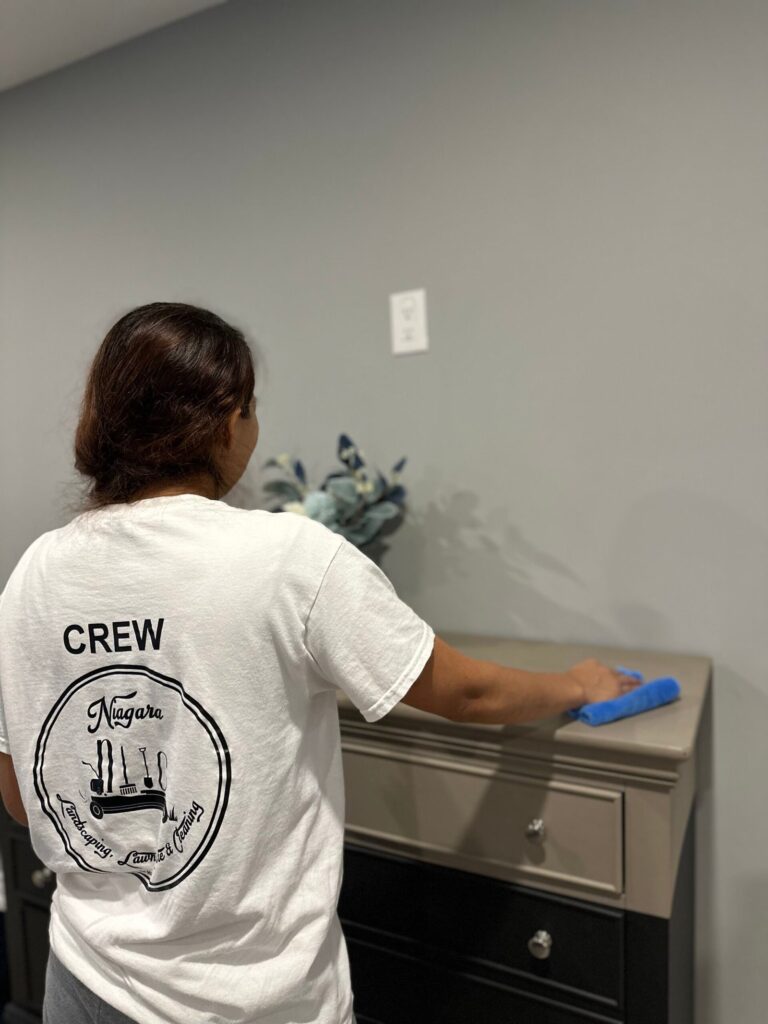
If you have ever walked into your own office on a Monday morning and noticed the coffee station is sticky, the wastebaskets are overflowing, and the meeting room still smells like last Thursday’s lunch, you already know why this guide exists. A clean office is not a luxury. It is one of the cheapest, easiest ways to protect your team’s health, your company’s reputation, and your bottom line. This guide walks you through a complete office cleaning checklist for Canadian businesses, broken down by daily, weekly, monthly, and seasonal tasks. Whether you run a small accounting firm in St. Catharines, a busy medical clinic in Niagara Falls, or a warehouse office in Welland, you will find a practical schedule you can start using today. We will also cover what commercial cleaning actually costs in Ontario in 2026, the areas most businesses forget to clean, and how to know when it is time to bring in professional help. Why Office Cleanliness Is More Than Appearance It is tempting to think of cleaning as something you do just before a client visits. But the research tells a different story. Cleanliness affects four things that matter to every business owner: employee health, productivity, customer impressions, and workplace safety. Start with health. Researchers at the University of Arizona found that the average office desk carries more than 400 times the bacteria found on a typical toilet seat. Keyboards, phones, and shared equipment are constantly touched and rarely disinfected, which makes them ideal places for germs to hang around and spread from one person to the next. That matters for your bottom line, too. A commercial cleaning resource covering the Lower Mainland notes that the average Canadian employee takes between five and seven sick days a year, a pattern that costs Canadian businesses billions in lost productivity across the country every year. Regular cleaning will not eliminate every cold or flu season, but it does reduce how far germs travel between desks. Productivity is the next piece. A Staples survey found that 94% of workers reported feeling more productive in a clean workspace, and 77% said they produced higher-quality work in a clean environment. Separate research from HLW International found that employees in clean, well-maintained offices were 12% more productive and reported higher job satisfaction. Even something as simple as clutter has a measurable cost: one analysis found that disorganization causes employees to spend an average of 4.3 hours a week searching for misplaced items, which adds up to nearly three weeks of lost productivity per employee every year. Then there is the first impression. Clients and job candidates form an opinion about your business within seconds of walking through the door. A dusty reception desk or a grimy washroom sends a message about how much attention your company pays to detail, whether that message is fair or not. Finally, cleaning protects your investment. Furniture, flooring, and carpet all wear out faster when dirt and grit are allowed to grind into surfaces day after day. A basic office cleaning checklist is a low-cost way to stretch the life of assets you have already paid for. Why Every Canadian Office Needs an Office Cleaning Checklist A checklist turns cleaning from a vague good intention into a repeatable system. Without one, cleaning tasks tend to happen only when something looks obviously dirty, which means the things that matter most – disinfecting high-touch surfaces, cleaning air vents, deep-cleaning carpets – get skipped entirely. Here is what a structured office cleaning checklist gives you: Health and safety regulators back this up directly. Canada’s Centre for Occupational Health and Safety notes that damp cleaning methods, like wet cloths and mops, are more effective at collecting and containing particles than dry methods such as dusting and sweeping, and recommends using disinfectants that carry a Drug Identification Number, since that number confirms the product is approved for use in Canada. How Often Should Different Areas of an Office Be Cleaned? Not every part of your office needs the same level of attention. Here is a realistic frequency guide based on how heavily each area is used and how quickly it collects dirt or germs. Area Recommended Frequency Reception Daily Workstations Daily Washrooms Multiple times daily Kitchen / Break Room Daily Meeting Rooms Daily or after each use Floors Daily Windows (interior) Monthly Carpets Quarterly Air Vents Every 3 to 6 months Some of this frequency is not just best practice – it is a legal requirement in parts of Canada. CCOHS confirms that toilet facilities must be kept clean, sanitary, and well-maintained, with regular cleaning schedules required, and some jurisdictions, including federal workplaces and Quebec, mandating daily cleaning. If your business operates in shifts, CCOHS also recommends cleaning high-touch surfaces at least once per day, with cleaning every two to three hours in higher-traffic environments. Daily Office Cleaning Checklist Daily tasks are the backbone of a healthy workplace. These are the jobs that stop dirt and germs from building up in the first place. Reception Area The reception area is the first thing anyone sees when they walk into your building, so it deserves daily attention even on quiet days. A five-minute reset each morning keeps first impressions consistent. Employee Workstations Workstations are where germs concentrate the most, since the same surfaces get touched dozens of times a day by the same person, and occasionally by coworkers borrowing a stapler or dropping off paperwork. Meeting Rooms Meeting rooms are used by more people, more often, than almost any other space in the building, which makes them a priority for a between-meeting wipe-down. Washrooms Washrooms are the one area where Canadian occupational health rules are strictest, and for good reason – they are also the area most likely to affect how clients and employees judge your overall standard of hygiene. Kitchen and Break Room Weekly Office Cleaning Checklist Weekly tasks address the buildup that daily cleaning does not fully catch. Work Areas Floors Glass and Windows Kitchen Monthly Office Cleaning Checklist Monthly
Residential vs. Commercial Cleaning: 10 Key Differences Every Property Owner Should Know
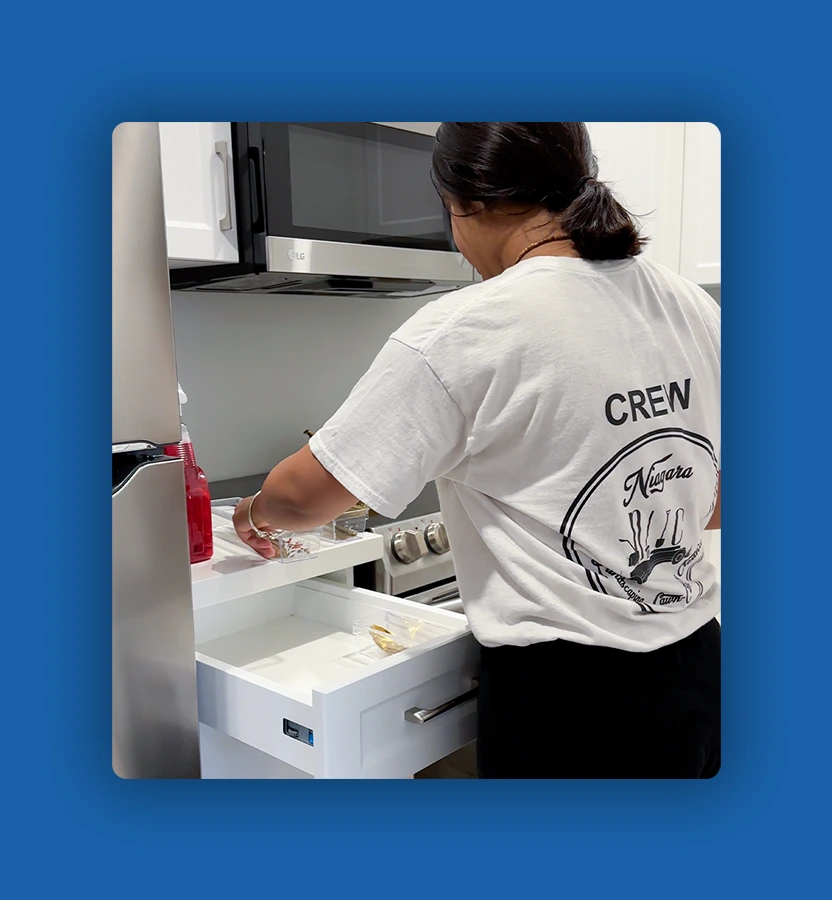
Most people assume cleaning is cleaning. Wipe a counter, vacuum a floor, empty a bin – how different can it really be? Pretty different, actually. If you’ve ever hired a house cleaner to tidy up your office, or asked a janitorial company to quote a one-bedroom condo, you already know something felt off. The pricing didn’t match. The equipment looked wrong. Maybe the results just weren’t what you expected. That’s because residential vs. commercial cleaning aren’t two versions of the same job – they’re two completely different disciplines, built around different spaces, different risks, and different expectations. Homes are about comfort. A cozy living room, a spotless kitchen counter, a bathroom that smells like it just came out of a magazine. Businesses are about something else entirely: health compliance, liability, first impressions, and keeping dozens (sometimes hundreds) of people safe every single day. Mixing the two up doesn’t just look unprofessional – it can cost you money, hurt your reputation, or in a business setting, create real safety and legal exposure. The commercial cleaning industry has grown into a serious operation. Contract cleaning services alone brought in a combined revenue share of $221.2 million in the commercial segment in 2026, and much of that growth is being driven by the need for stronger sanitation, hygiene, and workplace security across healthcare, corporate, and educational spaces. On the flip side, more homeowners than ever are outsourcing their household cleaning too, with recurring residential cleaning services becoming a normal part of managing a home rather than an occasional luxury. So whether you’re a homeowner in St. Catharines trying to figure out how often you actually need a deep clean, or a business owner in Niagara Falls wondering if your current cleaning setup is cutting it, this guide breaks down exactly what separates residential and commercial cleaning – and how to choose the right one for your property. What Is Residential Cleaning? Residential cleaning is exactly what it sounds like: cleaning services designed for private homes. It’s built around comfort, personal routines, and the day-to-day rhythm of family life. The goal isn’t just “clean” in a clinical sense – it’s clean in a way that feels warm, lived-in, and welcoming. Who typically hires residential cleaners? Common residential cleaning services include: One thing that’s changed in recent years is how normal recurring cleaning has become. It’s no longer just something people book before a holiday party or a big family visit – a large share of households now use recurring cleaning services as part of their regular routine, treating a clean home the same way they treat lawn care or grocery delivery: a scheduled part of life, not a special occasion. That shift matters, because it means residential cleaning companies are increasingly expected to offer flexible, dependable, ongoing service – not just one-off appointments. What Makes a Good Residential Cleaning Service? Not all residential cleaning is created equal. A good residential cleaner pays attention to the small details that make a house feel genuinely cared for – not just wiped down. Think fresh, streak-free mirrors, properly fluffed cushions, and a kitchen that smells clean rather than just looks it. The best residential cleaning companies also build a relationship with each household, learning preferences over time: which products you’re comfortable with around pets or kids, which rooms need extra attention, and which days work best around your schedule. That level of personalization is one of the biggest reasons homeowners stick with the same cleaning company for years rather than shopping around every few months. What Is Commercial Cleaning? Commercial cleaning is a different animal altogether. Instead of cleaning for comfort, it’s cleaning for compliance, safety, and professional presentation. The stakes are higher because the spaces are shared by employees, customers, patients, or students – sometimes hundreds of people passing through in a single day. Types of commercial properties that require commercial cleaning include: Each of these property types comes with its own set of specialized cleaning requirements. A medical office, for example, needs disinfection protocols that go well beyond a general wipe-down. A warehouse needs floor care equipment strong enough to handle industrial dust and heavy foot traffic. A school needs a cleaning schedule that works around class hours without disrupting students. This is also where the industry has been growing fastest. Healthcare, corporate offices, and educational spaces are driving much of the current demand for commercial cleaning, largely because sanitation and workplace safety have become non-negotiable expectations rather than nice-to-haves. At the same time, niche categories like post-construction cleaning have become a bigger part of the commercial cleaning world, as more businesses renovate or build out new spaces and need a specialized deep clean before opening their doors. The Growing Scope of Commercial Cleaning Commercial cleaning has expanded well beyond simple janitorial work. Many companies now offer a full menu of services under one contract: interior and exterior window washing, parking lot sweeping, upholstery cleaning, waste management, and even landscaping in some cases. This “one vendor for everything” approach has become popular with facility managers who don’t want to juggle five different contractors for five different tasks. It also gives businesses more consistent pricing and accountability, since a single provider is responsible for the overall condition of the property rather than passing blame between separate vendors when something falls through the cracks. Residential vs. Commercial Cleaning: 10 Major Differences At a glance, here’s how the two compare: Residential Cleaning Commercial Cleaning Cleaning private homes Cleaning business facilities Smaller spaces Large buildings Household equipment Industrial-grade equipment Flexible schedules After-hours or scheduled maintenance Comfort-focused Health, safety & compliance focused Light foot traffic Heavy foot traffic Personalized cleaning Standardized cleaning protocols Basic cleaning products Professional-grade disinfectants Individual homeowners Business owners & facility managers Weekly/Bi-weekly Daily, weekly, or customized contracts A few of these differences deserve a closer look. Scale and scope is probably the most obvious difference. A residential cleaner might spend two to three hours in a 1,500-square-foot home. A commercial cleaning team might be responsible