
Why It’s Never Too Early to Plan for Snow Removal
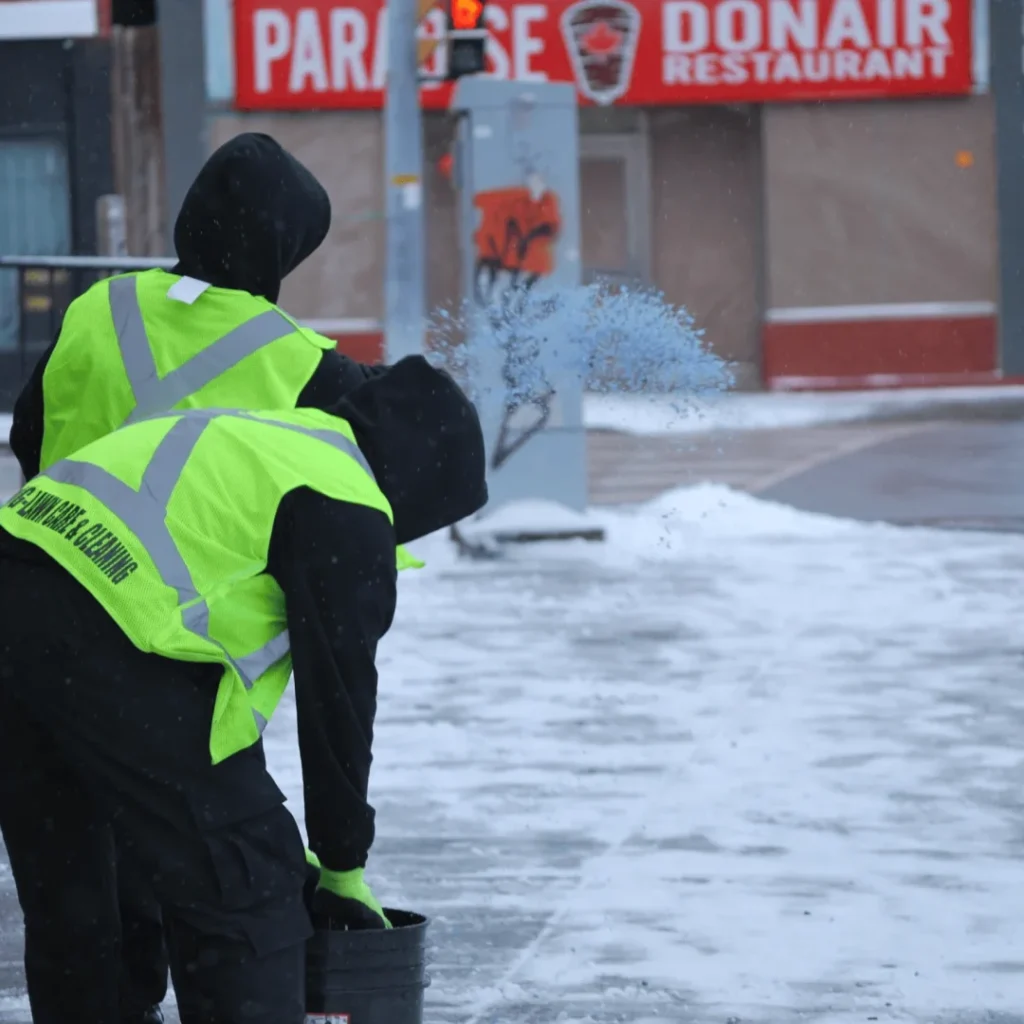
Picture this: it’s the first week of December, the Niagara sky has turned that heavy shade of grey that only means one thing, and your phone won’t stop buzzing with alerts about an incoming lake-effect snow band. You reach for your phone to call a snow removal company, only to hear the same sentence from four different businesses in a row: “Sorry, we’re fully booked for the season.” This isn’t a rare story. It’s the reality for thousands of homeowners and business owners across St. Catharines, Niagara Falls, Welland, and the rest of the Niagara Region every single year. Snow removal planning is one of those tasks that feels easy to put off in September, when the leaves are just starting to turn and the driveway is still bone dry. But the moment the first real storm hits, the businesses that waited are scrambling, paying premium emergency rates, or worse, dealing with a snow-covered walkway that turns into a liability nightmare. At NLLC (Niagara Landscaping, Lawn Care & Cleaning), we watch this pattern repeat every fall. Properties that lock in their winter service in September and October sail through the season with predictable costs and prompt response times. Properties that wait until the snow is already falling end up on waiting lists, paying more, or handling the mess themselves. This guide walks through exactly why snow removal planning needs to start well before winter arrives, what’s shaping this coming season in the Niagara Region, and how to make sure your property, whether it’s a single-family home or a busy commercial plaza, is protected before the first flake falls. Why Snow Removal Planning Can’t Wait Until Winter The Booking Crunch Is Real Every fall, snow removal companies across Ontario go through the same cycle. They spend late summer and early fall building out their client rosters, mapping efficient plow routes, and assigning crews to specific neighborhoods and commercial zones. Once that roster fills up, it fills up. Reputable snow removal contractors intentionally cap the number of driveways, parking lots, and walkways they take on per route because overloading a route means slower response times for everyone on it. That means snow removal planning done in September or early October gives you access to a spot on that roster while it still has room. Wait until November or December, and you’re choosing from whoever has capacity left, which is often a smaller, less established operation or a company charging a premium for last-minute onboarding. Labor Shortages Are Tightening the Market This isn’t just a supply-and-demand story about trucks and plows. The landscaping and snow removal industry across North America is dealing with a genuine labor crunch heading into this winter. Industry reporting shows that <cite index=”42-1″>more than half of contractors identify recruiting and retaining staff as a top business risk for the year, right alongside economic uncertainty and rising material costs</cite>. On top of that, <cite index=”42-1″>a majority of contractors plan to raise wages this year, with a large share planning increases of four percent or more</cite>, which naturally puts upward pressure on service pricing as the season goes on. For property owners, this translates into a simple truth: the earlier you sign, the more likely you are to get a fully staffed, reliable crew rather than a scramble team assembled after the first storm. Companies that already have your property under contract in September have the runway to hire, train, and schedule properly. Companies you call in December are trying to squeeze you into an already-stretched operation. Equipment Doesn’t Appear Out of Thin Air Plows, salt spreaders, skid steers, and snow blowers all need to be serviced, repaired, and sometimes replaced before the season starts. Preseason ordering has become standard practice for operators with steady service contracts, because waiting until the first snowfall to source parts or new equipment often means longer wait times and higher prices. A company that has already locked in its client list by early fall can plan its equipment needs accurately. A company still trying to figure out how many properties it’s servicing in November is guessing. Pricing Gets Better the Earlier You Commit Snow removal pricing in Ontario generally follows the same pattern as most seasonal services: early commitment gets better rates. Nationally, <cite index=”46-1″>the ideal window to book a snow removal contract is late summer to early fall, when contractors still have availability and are willing to offer better pricing, more flexible contract terms, and priority scheduling</cite>. Waiting until later in the season <cite index=”46-1″>increases the risk of limited availability or higher costs</cite>, and by the time snow is actually falling, most contractors are focused on execution, not onboarding new clients. Commercial property owners see this pattern too. One landscaping company put it plainly: <cite index=”51-1″>signing a commercial snow and ice contract before October 1 guarantees a property a spot on the priority list for the entire season, while a contract signed during a storm watch tends to be a rushed, purely transactional agreement rather than a real partnership</cite>. That difference matters more than it sounds. A company that signs you in July or August has time to walk your property, map out plow routes, and identify problem areas like drainage issues or awkward corners before there’s any pressure. A company signing you mid-storm doesn’t have that luxury. What This Winter Looks Like for the Niagara Region The Big Climate Story: A Strong El Niño Is Building If you’ve been paying attention to the weather headlines this year, you’ve probably noticed a shift in the conversation. After a stretch of La Niña winters, forecasters are now tracking a significantly different pattern for the upcoming season. <cite index=”21-1″>NOAA declared an El Niño Advisory in July, and forecasters expect the event to keep strengthening with a high probability of continuing well into the following spring</cite>. Multiple forecasting groups are now describing this as a potential “Super El Niño,” among <cite index=”26-1″>the strongest events on record based on sea surface temperature anomalies in the Central and