The Complete Property Maintenance Checklist for Every Season in Niagara
Owning a home or managing a rental property in the Niagara Region comes with a rhythm most people only notice once they’ve lived through a full year here. The lake-effect humidity of July gives way to the leaf-drop chaos of October, which gives way to the freeze-thaw cycles that quietly chew through driveways and foundations every winter. If you’ve ever found yourself scrambling to find a snow removal company mid-storm, or discovering a soggy basement after the spring melt, you already know why a property maintenance checklist isn’t a nice-to-have. It’s the difference between planned, affordable upkeep and expensive, stressful emergencies. This guide breaks down exactly what to do to your property every season of the year, why it matters specifically for homes and businesses in Niagara Falls, St. Catharines, Welland, Fort Erie, Niagara-on-the-Lake, Thorold, and Port Colborne, and where you can lean on professionals instead of doing it all yourself. Whether you own a single-family home, manage a short-term rental, or oversee a commercial property, you’ll walk away with a clear, actionable plan for spring, summer, fall, and winter. Why a Property Maintenance Checklist Matters More in Niagara Than Almost Anywhere Else Niagara sits between Lake Erie and Lake Ontario, and that geography shapes everything about how a property ages here. The lakes moderate winter temperatures compared to inland Ontario, but they also mean more freeze-thaw cycles – the back-and-forth between freezing and thawing that’s brutal on concrete, asphalt, and roofing. Every time water gets into a crack and freezes, it expands and widens that crack a little more. Left unaddressed for a few seasons, a hairline crack in your driveway becomes a full repaving job. At the same time, Niagara’s fertile soil and mild growing season (the same conditions that make the region famous for peaches, cherries, and vineyards) mean lawns and gardens grow fast and need consistent attention, or they get away from you quickly. And with roughly 65 snowfall days a year and average winter lows that regularly dip below freezing from December through February, snow and ice management isn’t optional – it’s often a legal responsibility. A property maintenance checklist gives you a system instead of a scramble. Instead of reacting to problems as they show up, you’re working through a known list of tasks tied to what the season actually demands. That’s true whether you’re maintaining a single house or overseeing several rental units – the logic scales, and the payoff (fewer surprise repairs, a property that holds its value, tenants and guests who don’t complain) is the same. Spring Property Maintenance Checklist (March – May) Spring in Niagara is assessment season. Snow melts, the ground thaws, and everything winter did to your property – good or bad – becomes visible. This is when you catch problems early, before summer heat or fall leaf-drop makes them worse or harder to see. Exterior Spring Tasks Inspect the roof and gutters. Walk the perimeter of your home and look up. Check for missing, curled, or cracked shingles, and look at your gutters and downspouts for sagging, separation, or debris still packed in from fall. Winter ice and heavy snow loads are hard on rooflines, and a small issue caught in April is a repair; the same issue ignored until a June downpour is a ceiling stain. Assess driveway, walkway, and patio surfaces. After a winter of freeze-thaw cycles and road salt, concrete and asphalt often show new cracks or heaving. Small cracks can be sealed before they widen; larger heaves may need professional leveling. This is also the time to check retaining walls and interlocking stone for shifting. Start your lawn and landscaping recovery. Winter is genuinely hard on Ontario lawns – not just dormant, but actively damaged by snow mould, salt runoff, and frost heave. Walk your lawn and look for matted grey or pink patches (snow mould) and rake them lightly to encourage airflow; most recover on their own. Early spring is also the window for core aeration if your lawn feels compacted or drains poorly, since aeration works best while turf is actively growing and under less stress. If you’re planning to overseed bare or thin patches, pair it with aeration for better seed-to-soil contact, and use a slow-release, climate-appropriate fertilizer rather than pushing rapid top growth too early. Clean up garden beds and mulch. Clear last year’s dead growth, cut back perennials, and refresh mulch to suppress early weeds and retain soil moisture as temperatures climb. Test outdoor taps and irrigation. Turn your exterior water supply back on gradually and check for leaks at hose bibs, sprinkler heads, and any irrigation lines that were winterized in the fall. Wash the exterior. A gentle pressure wash of siding, walkways, and the deck removes a winter’s worth of grime, salt residue, and mildew, and it’s usually the single biggest visual upgrade you can make to curb appeal in one afternoon. Interior Spring Tasks Service your HVAC system before cooling season. Replace filters, clean vents, and have your air conditioning inspected before the first real heat wave. A neglected AC unit not only costs more to run, it’s more likely to fail on the hottest day of the year, which is exactly when you’ll wait longest for a technician. Check for winter water damage. Inspect basements, crawl spaces, and attics for signs of moisture, staining, or mould that may have developed during winter thaws. Catching this in spring, before humid summer weather accelerates mould growth, is far cheaper than dealing with it in August. Test smoke and carbon monoxide detectors, and replace batteries as a seasonal habit tied to the spring clock change. Spring Mistakes to Avoid The most common spring mistake is overseeding too early, before the soil has fully warmed, which wastes seed and money. The second is skipping the roof and gutter inspection because “everything looks fine from the ground” – most roof damage is only visible up close or from the attic. And the third is mowing too short right
Landscaping Ideas That Boost Curb Appeal in 2026

You know that feeling when you drive past a house and your brain just… likes it? You can’t always say why. Maybe it’s the way the shrubs frame the front door, or how the walkway curves instead of running in a straight, boring line. That reaction happens in about seven seconds, according to real estate research, and it happens before anyone has stepped inside or seen a single square foot of the kitchen. That’s curb appeal. And in 2026, the rules around it have shifted. Homeowners aren’t just tidying up a lawn to impress the neighbors anymore – they’re using their front yards as an extension of their personality, a low-risk way to try something bold, and, for a growing number of people, a genuinely smart financial move. If you own a home anywhere in the Niagara Region – Niagara Falls, St. Catharines, Welland, Fort Erie, Niagara-on-the-Lake, Thorold, or Port Colborne – you’re dealing with a specific set of curb appeal landscaping ideas that need to survive our winters, handle clay-heavy soil, and still look sharp come July. This guide walks through what’s actually working right now, backed by current data, real plant recommendations for our climate zone, and practical steps you can start on this weekend or hand off to a professional crew. Why Curb Appeal Landscaping Ideas Actually Pay Off Before getting into specific ideas, it’s worth understanding why this matters so much – because the numbers are more convincing than most homeowners realize. The “Halo Effect” Is Real Appraisers and real estate agents talk about something called the halo effect. A neat, well-planted exterior signals to a buyer’s brain that the rest of the house has probably been cared for too. That assumption builds confidence, and confident buyers negotiate less aggressively and move faster. Nearly every real estate agent surveyed in recent industry research says curb appeal plays a meaningful role in attracting buyers, and the vast majority recommend that sellers address their landscaping before a home ever hits the market. Homes with strong curb appeal also tend to sell faster than comparable properties with a neglected yard, simply because buyers form their first opinion before they’ve even parked the car. What the ROI Numbers Actually Say This is where it gets interesting for anyone trying to decide where to spend their landscaping budget. Basic lawn care – mowing, fertilizing, weed control – can return well over 200% of its cost at resale, making it one of the single highest-return home improvements a person can make, outdoor or indoor. General landscape maintenance, things like mulching and pruning, tends to land around the 100% mark. Tree care recovers roughly 87% of its cost, and homes with mature, healthy trees consistently sell quicker. Even landscape lighting, while a lower-return item at around 59%, earns its keep through better evening curb appeal and added safety. This connection between home value landscaping and buyer perception is backed by more than one study. Research from Virginia Tech Extension found that high-quality landscaping increases a home’s perceived value by somewhere between 5.5% and 12.7%, depending on the market. A separate study out of Michigan State backs up that upper range. On an average-priced Niagara home, that’s not pocket change – it can translate into tens of thousands of dollars in perceived value, and that’s before you even factor in how much more you’ll enjoy sitting on your own porch. It’s Not Only About Resale Here’s the part that gets left out of a lot of “boost your home value” articles: you live here too. A front yard that feels intentional rather than neglected changes how you feel pulling into the driveway after a long day. Good lighting makes your entryway feel safer on dark December evenings. A well-placed tree gives you actual shade in August. The return on investment isn’t purely financial – professionals sometimes call this the “Joy Score,” and it’s worth factoring into your decisions just as much as resale math. 2026 Curb Appeal Trends Worth Knowing Trends move slower in landscaping than they do in home décor – plants take years to mature, after all – but there’s a clear shift happening this year that’s worth understanding before you start picking out shrubs. Watching the front yard landscaping trends 2026 has brought to the surface makes it much easier to plan a project that still looks current five years from now instead of dated in two. Expressive, Personality-Driven Front Yards For years, the safe move was a symmetrical foundation planting and a plain green lawn. That’s changing. Homeowners are increasingly treating the front yard like an extension of their living room – a space that reflects who they are rather than a generic, one-size-fits-all layout. Recent survey data shows a large share of homeowners are now using their outdoor space specifically to express their personality or values, and a similar number are making bold visual statements through color and design choices they wouldn’t have tried five years ago. The appeal here is that most of these updates cost under $500, which makes experimenting with a bold color or an unusual plant grouping feel low-risk instead of permanent. Looser, More Organic Layouts Replace Rigid Lines Straight concrete paths and perfectly symmetrical beds are giving way to something looser and more natural. This shift toward naturalistic hardscaping means winding flagstone pathways, gravel areas tucked around drought-tolerant grasses, and boulders placed the way they might occur in nature rather than lined up like soldiers. It reads as effortless, even though it takes real planning to pull off. A lot of designers are also mixing in artificial turf between stone features for spaces that need to look tidy without the mowing. Smaller, More Intentional Spaces The era of the sprawling, expensive hardscape overhaul is cooling off. In 2026, the bigger shift is toward smaller, cozy zones – a defined seating nook by the front porch instead of a full wraparound patio. This is genuinely good news if you’re working with a limited budget,
Lawn Care Mistakes That Cost Homeowners Thousands (And How Niagara Homeowners Can Avoid Them)
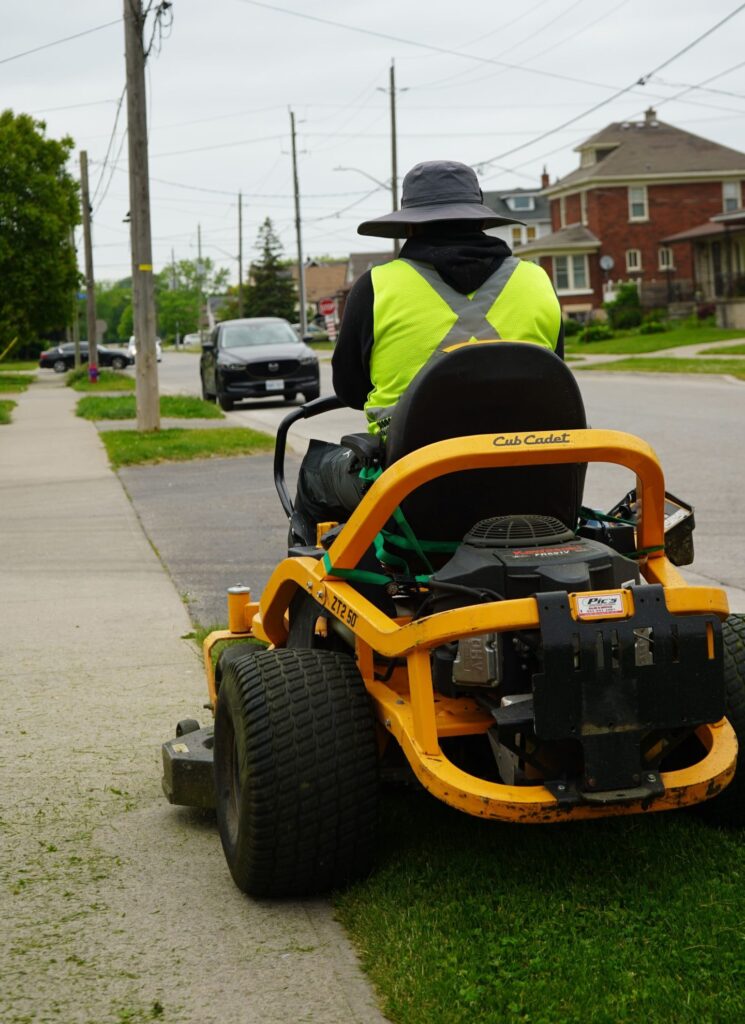
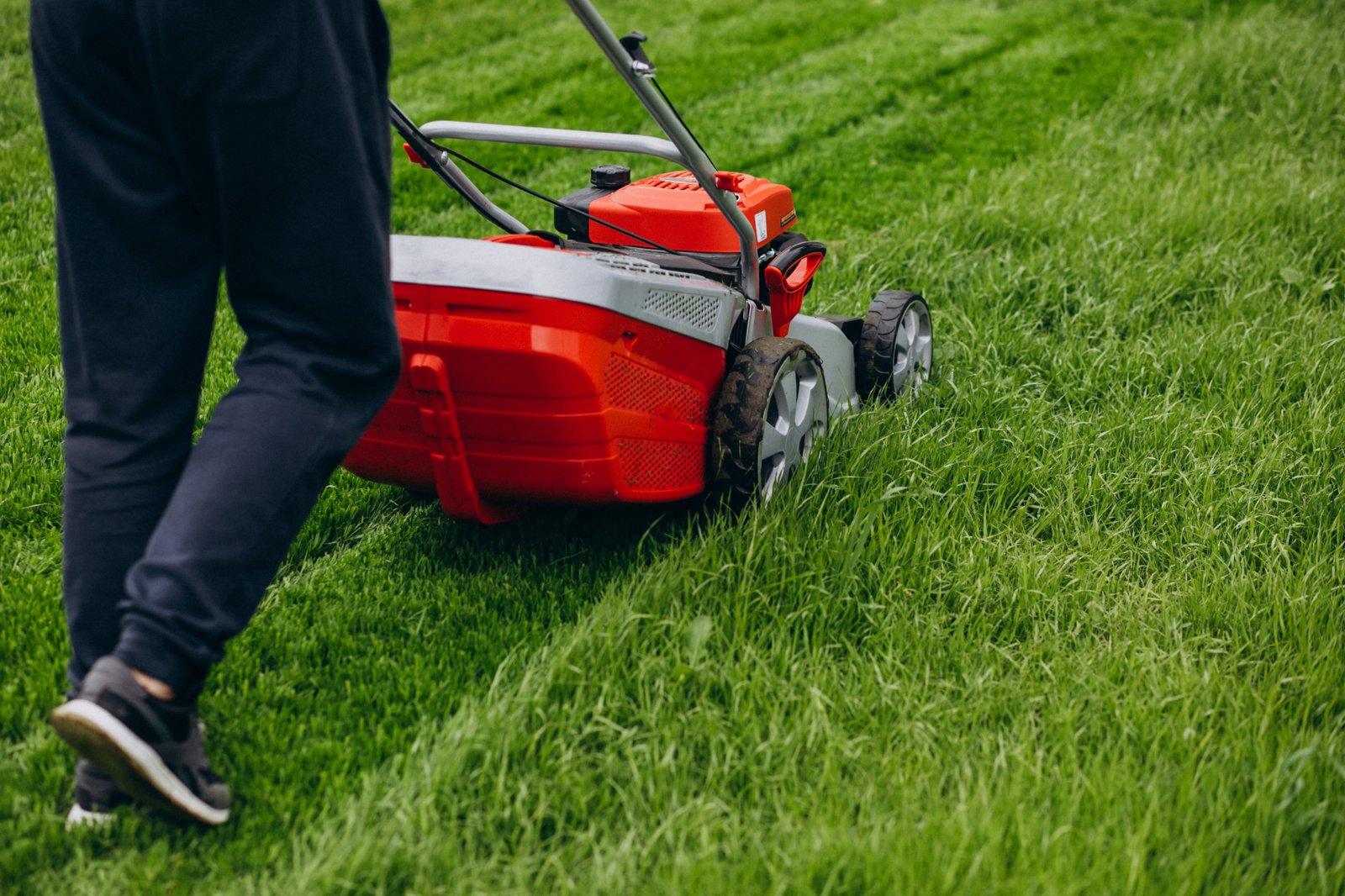
If your lawn looks a little rough this year, you’re not alone. Most yard problems don’t come from bad luck or bad soil. They come from small, everyday habits that quietly snowball into big repair bills. A patch of dead grass here, a fungus outbreak there, and suddenly you’re staring down a sod replacement invoice that costs more than a month of professional lawn care would have. That’s the frustrating part about lawn care mistakes. They rarely feel like mistakes when you’re making them. Mowing a little shorter to skip a week. Watering every evening because it feels thorough. Skipping aeration because the lawn “looks fine.” Each choice seems harmless in the moment, but add them up over a season and you’ve got thin turf, dead patches, and a yard that needs a full rebuild instead of a simple tune-up. This guide walks through the most common and most expensive lawn care mistakes homeowners across Niagara Falls, St. Catharines, Welland, and the wider Niagara Region make, why they happen, and what they actually cost to fix. By the end, you’ll know exactly what to watch for and where a quick call to a professional can save you thousands down the road. Why Small Lawn Care Mistakes Turn Into Big Bills A lawn is a living system. Grass, soil, insects, and water all interact constantly, which means a single misstep rarely stays isolated. Mow too short one week, and the grass gets stressed. A stressed lawn has weaker roots, which lets weeds move in. Weeds compete for water and nutrients, which weakens the grass further, which invites pests. Before long, what started as one small habit has turned into a full-blown lawn rescue project. That’s the real danger behind lawn care mistakes. They compound. A homeowner who scalps the lawn all summer might not see a dead lawn until fall, but by then the damage is done and the fix is far more expensive than the prevention would have been. Ontario’s climate makes this especially true. Cool-season grasses like Kentucky bluegrass and fescue, the varieties most common in Niagara yards, are forgiving when cared for properly and unforgiving when they’re not. The good news is that almost every one of these mistakes is preventable once you know what to look for. Mistake #1: Mowing the Lawn Too Short Cutting grass short feels efficient. Fewer mowing sessions, a “neater” look, less clippings to deal with. But scalping is one of the fastest ways to damage a healthy lawn, and it’s one of the most common lawn care mistakes homeowners make without realizing it. Grass blades capture sunlight and convert it into energy for the root system. Cut the blade too short, and you cut off the plant’s ability to feed its own roots. The lawn responds by pushing energy into surviving rather than growing, which means shallower roots, slower recovery, and a much higher chance of drought stress and weed invasion. The Real Cost of Scalping A scalped lawn rarely dies overnight. Instead, it thins out gradually over a season, developing bare patches that weeds and crabgrass are quick to fill. Once that happens, homeowners are often looking at reseeding or, in bad cases, a full sod replacement. Sod installation in Ontario typically runs between $1.50 and $3.50 per square foot installed, meaning a standard 1,000 square foot front lawn can cost anywhere from roughly $1,800 to $3,500 to replace. Compare that to the cost of simply mowing correctly, and the math isn’t close. For most cool-season lawns in the Niagara Region, the ideal mowing height is 2.5 to 3.5 inches. Taller grass shades the soil, which keeps moisture in and blocks the sunlight weed seeds need to germinate. As a rule of thumb, never remove more than one-third of the blade length in a single cut. Mistake #2: Mowing on the Wrong Schedule Mowing too infrequently is just as damaging as mowing too short, because it forces you to cut off more than a third of the blade at once when you finally do mow. That single aggressive cut shocks the lawn the same way scalping does. On the flip side, mowing too often, especially right after rain, compacts the soil and can spread fungal disease from wet clippings sticking to the mower deck. Most lawns in this region do best on a weekly mowing schedule during peak spring and early summer growth, tapering to every 10 to 14 days as growth slows later in the season. Dull mower blades cause a different but equally costly problem. A dull blade tears grass instead of cutting it cleanly, leaving ragged, brownish tips that create an easy entry point for disease. Sharpening blades once or twice a season is a small maintenance task that prevents a much bigger one. Mistake #3: Watering Incorrectly Watering seems like the simplest part of lawn care, which is exactly why it’s one of the easiest places to get wrong. Homeowners tend to either overwater out of good intentions or underwater out of convenience, and both habits lead to the same outcome: a weaker lawn that costs more to repair. Signs of Overwatering vs. Underwatering Daily light watering trains grass roots to stay near the surface, since the roots never need to search deeper for moisture. Shallow roots mean a lawn that wilts fast in a heatwave and struggles to bounce back. Overwatering also creates the damp conditions that fungal diseases and certain lawn pests thrive in. Underwatering shows up as a grayish-blue tint before grass turns brown and goes dormant. Occasional dormancy isn’t necessarily harmful, but repeated stress cycles weaken the lawn’s ability to recover season after season. The better approach is deep, infrequent watering, generally about one to one and a half inches of water per week, split across one or two sessions rather than a daily sprinkle. Watering early in the morning, rather than in the evening, gives the grass blades time to dry out before nightfall, which cuts down significantly on fungal problems.
Airbnb Cleaning Checklist for 5-Star Reviews
If you host on Airbnb in the Niagara Region, you already know the one thing that can make or break a stay before a guest even unpacks their bags: how clean the place is. Not “pretty clean.” Not “clean enough.” Spotless, hotel-level, no-hair-in-the-shower clean. It sounds like a small detail. It isn’t. Cleanliness is the single most mentioned factor in Airbnb reviews, and it’s one of the few things guests judge in a matter of seconds. Walk into a property that smells fresh, sparkles on every surface, and feels genuinely ready for you, and you’re already halfway to leaving a glowing review. Walk into one with a hair on the bathroom floor or a sticky kitchen counter, and no amount of nice furniture or a great location will save that rating. This guide is built for hosts and property managers across Niagara Falls, St. Catharines, Welland, Fort Erie, Niagara-on-the-Lake, Thorold, Port Colborne, and the wider Niagara Region who want a repeatable, professional system for getting this right every single time. Whether you clean your own listing between guests or manage a small portfolio of properties, this Airbnb cleaning checklist will walk you through exactly what to do, room by room, so every turnover ends the same way: a five-star clean. Short-term rental hosting has grown quickly across the Niagara Region over the past few years, driven by wine country tourism, wedding travel, and the steady pull of the Falls themselves. That growth means more competition for every booking, and guests today have plenty of listings to choose from if yours doesn’t meet expectations. A property that consistently earns five-star cleanliness scores doesn’t just get better reviews, it climbs higher in Airbnb’s search results, attracts more repeat bookings, and gives you room to charge a fair rate with confidence. Everything in this guide is built around that outcome: a cleaning process thorough enough to protect your rating, and efficient enough to actually fit inside a real turnover window. Why Cleanliness Makes or Breaks Your Airbnb Rating Before getting into the checklist itself, it helps to understand exactly why cleaning matters so much more on a short-term rental than it does in a regular home. A vacation rental turnover isn’t the same as tidying up your own house. You’re resetting a hospitality product for a paying stranger who has no context for how the space normally looks, and who is comparing it, whether they mean to or not, to hotel standards. How Guests Actually Judge Cleanliness Guests don’t do a full inspection. They notice a handful of specific things at specific moments: the first impression when they walk through the door, the bathroom the first time they shower, the bed the moment they pull back the covers, and the kitchen the first time they go to make coffee. A single missed detail in any of those moments, a stray hair, a sticky remote, a musty smell, is often enough to shape the entire review, even if the rest of the property is immaculate. Industry research backs this up. According to cleaning-focused Airbnb studies, cleanliness is mentioned in the vast majority of guest reviews, more than any other single category. It isn’t just one factor among many that hosts need to think about. For most guests, it’s the deciding factor. The Real Cost of a Bad Cleanliness Score This isn’t just about guest satisfaction in the abstract. It has a direct, measurable impact on your income. Properties with a cleanliness rating below roughly 4.7 stars can lose a significant share of potential bookings compared to listings that consistently score higher. On the flip side, listings with an overall rating of 4.9 stars or above have been shown to earn meaningfully more revenue than lower-rated competitors, because higher ratings both convert more browsers into bookings and let hosts charge a bit more with confidence. Run the math on your own numbers. If your property earns $200 a night and books 100 nights a year, even a modest drop in bookings tied to a cleanliness complaint can cost you thousands of dollars annually. That’s not a hypothetical, it’s a direct line from “we missed a spot” to “we lost a booking.” How Cleanliness Affects Your Airbnb Search Ranking Airbnb’s ranking algorithm has shifted heavily toward guest satisfaction signals. The platform now factors in hundreds of data points to predict how likely a stay is to end in a five-star review, and cleanliness sits near the top of that list alongside accuracy, communication, and value. Airbnb also reads the actual text of your reviews, not just the star rating, so specific praise (“spotless,” “immaculate,” “smelled amazing”) feeds directly into how your listing gets matched to future searches. Properties that consistently score 4.9 or higher across every category, cleanliness included, tend to get preferential treatment in search results, which means more visibility and more bookings without spending an extra dollar on advertising. In short: your cleaning process isn’t a back-office chore. It’s one of the most powerful, and most controllable, levers you have for growing your Airbnb business. The Complete Airbnb Cleaning Checklist (Room by Room) A written, room-by-room Airbnb cleaning checklist does three important things. It standardizes quality no matter who’s doing the cleaning. It makes sure nothing gets missed during a rushed same-day turnover. And it gives you a clear reference point if a guest ever disputes the condition of the property. Here’s what a complete checklist should cover. Kitchen Cleaning Checklist The kitchen is where guests notice problems fastest, because it’s a high-touch, high-use space from the moment they arrive. Bathroom Cleaning Checklist Bathrooms receive the most scrutiny of any room in the home. This is genuinely where cleanliness reviews are won or lost. Bedroom Cleaning Checklist Guests spend more time in the bedroom than almost anywhere else, and they notice everything, right down to running a hand along the nightstand. Living Room and Common Areas Entryway, Laundry, and Outdoor Spaces High-Touch Surfaces Guests Always Notice A handful of small spots get more
Deep Cleaning Before Fall: Why It Matters for Niagara Homes and Businesses
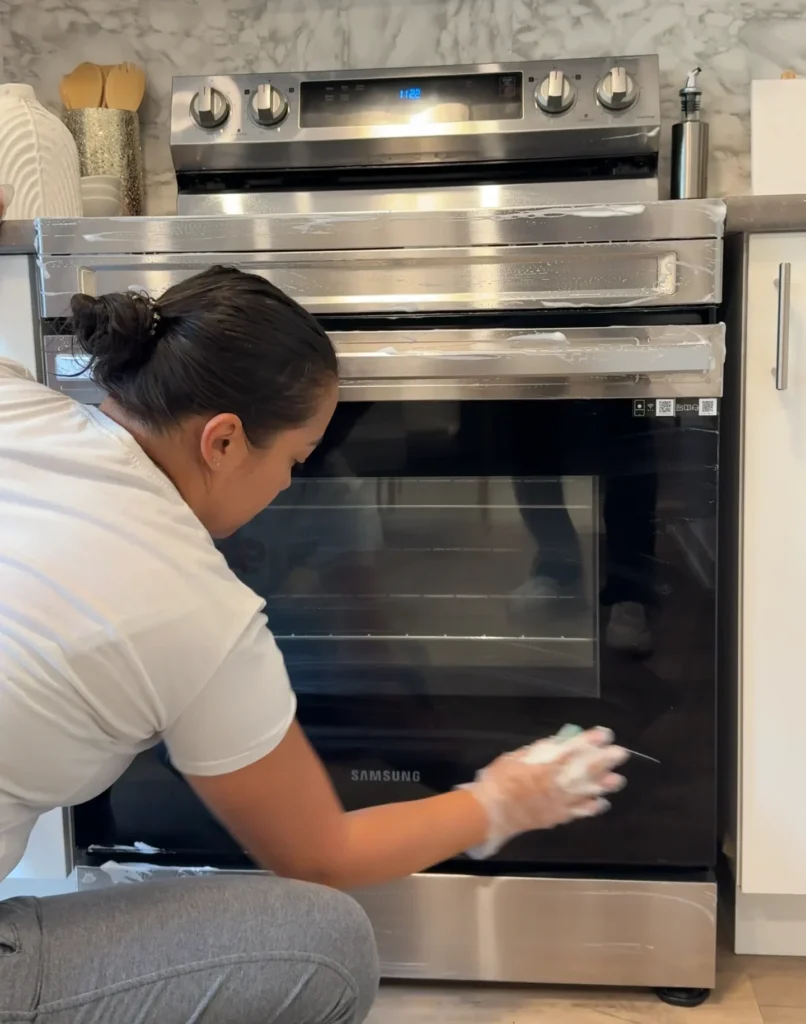
There’s a particular smell that shows up in Niagara homes every October. It’s not quite mustiness, not quite dust – it’s the smell of a house that’s been living with open windows, sandy shoes, and a summer’s worth of activity, and is now about to get sealed shut for the next five months. If you’ve smelled it, you already know what this article is about. Deep cleaning before fall isn’t a Pinterest trend or an excuse to buy new cleaning products. It’s the last real opportunity you get, before the windows close and the furnace kicks on, to clear out everything summer left behind. Once the cold weather sets in across the Niagara Region, your home essentially becomes a sealed box for the better part of half a year. Whatever dust, pollen, pet dander, or grime is trapped inside when that happens is what you and your family will be breathing until spring. This guide walks through exactly why deep cleaning before fall matters, what a proper fall deep clean actually involves, which rooms and spots need the most attention, and how homeowners, renters, landlords, and business owners across Niagara Falls, St. Catharines, Welland, and the surrounding area can get it done – whether that means rolling up your sleeves this weekend or calling in a professional crew. What Is Deep Cleaning, and How Is It Different From Regular Cleaning? Regular cleaning keeps a home looking presentable. Deep cleaning is what happens underneath that – the stuff your weekly wipe-down never touches. Think about your last “cleaning day.” You probably vacuumed the floors, wiped the counters, cleaned the bathroom mirror, maybe did a load of laundry. That’s maintenance. It keeps things from sliding backward, but it doesn’t actually remove the buildup that’s been quietly accumulating in places you don’t look at every day. Deep cleaning goes into those places. It’s pulling the fridge away from the wall to vacuum the coils. It’s cleaning inside the oven, not just wiping the stovetop. It’s washing baseboards, scrubbing grout, steam-cleaning carpets, wiping down ceiling fan blades, and clearing out the dryer vent. It’s the kind of cleaning that most households realistically only have time for once or twice a year – and fall is one of the two best windows to do it, right alongside spring. The difference matters more than people think. A 2026 whole-house deep cleaning guide from a professional cleaning company noted that a full deep clean typically takes 20 to 30 hours of focused labour when done properly, and that most homeowners who attempt it themselves stall out partway through because the intensity is hard to sustain room after room. That’s a useful reality check: deep cleaning before fall is a genuinely bigger job than people expect, which is exactly why so many households either put it off indefinitely or bring in help to get it done right. Why Fall Is the Best Time for a Deep Clean in Niagara Niagara’s Weather Gives You a Short, Specific Window The Niagara Region sits between Lake Erie and Lake Ontario, and that positioning gives the area a fairly mild, gradual autumn compared to a lot of the country. September and early October typically bring daytime highs in the mid-teens Celsius, with the first real frost usually arriving in late October or early November. Humidity climbs steadily through the season too, sitting around 75% in October and creeping up toward 77% by November. That combination – cooling temperatures, rising humidity, and a slow but definite countdown to winter – is exactly the window you want for a deep clean. It’s cool enough to work comfortably without the house turning into a greenhouse, but it’s still warm enough that you can open windows to air out cleaning fumes, dry out carpets after a shampoo, and let sunlight do some of the work drying damp areas before the truly cold, damp weather sets in. Wait too long, and you’re deep cleaning in a house that’s already closed up for winter, which makes the whole job slower and less effective. You’re About to Seal the House Shut for Winter Here’s the part that a lot of people don’t think about until it’s too late: once the temperature drops for good, most Niagara households don’t open a window again until April or May. Everything that’s in the house on that last warm day – dust, allergens, whatever tracked in on shoes and paws all summer – is what stays in the house. Fall cleaning isn’t really about undoing summer. It’s about resetting the indoor environment before it gets locked in place for winter. That’s a fundamentally different job than a quick tidy-up, and it’s why deep cleaning before fall carries more weight than the equivalent task in, say, June. The Holiday Hosting Season Is Coming Fast There’s also a practical calendar reason. Thanksgiving lands in early October, and from there it’s a fairly short runway to Halloween, then Christmas and New Year’s. For a lot of Niagara families, fall is genuinely the last stretch of “normal” time before the house fills up with guests, kids’ school schedules, and holiday hosting duties. Getting the deep clean done in September or October means you’re not scrambling to scrub the guest bathroom the night before company arrives – you’re just doing light upkeep on a home that’s already been reset. The Hidden Health Risks of Skipping a Fall Deep Clean This is the part that turns “deep cleaning before fall” from a nice-to-have into something worth prioritizing. Dust Mites and Indoor Allergens Canadians spend roughly 90% of their time indoors, according to Health Canada research on residential air quality – and that number climbs even higher once winter sets in. Indoor air quality, then, isn’t a minor detail. It’s the air your household is actually breathing most of the year. Dust mites are one of the biggest culprits. In Canada, close to 40% of people with allergic conditions are sensitized to one of the two common house dust
7 Signs Your Office Needs Professional Cleaning
SEO Package SEO Title: 7 Signs Your Office Needs Professional Cleaning Meta Description: Notice odors, clutter, or sick days piling up? Discover 7 signs your office needs professional cleaning and how NLLC can help in Niagara. URL Slug: /7-signs-your-office-needs-professional-cleaning/ Focus Keyword: professional office cleaning 7 Signs Your Office Needs Professional Cleaning Walk into your office first thing on a Monday morning. What do you notice first? The smell of the breakroom, dust sitting on the blinds, a bin that never quite got emptied on Friday? Most business owners in Niagara Falls, St. Catharines, and Welland don’t think about office cleanliness until a client mentions it, an employee gets sick, or the carpet starts looking more grey than the beige it used to be. The truth is, a workplace rarely goes from “clean” to “dirty” overnight. It happens gradually – a missed corner here, a skipped deep clean there – until one day the whole space feels tired, dusty, and a little embarrassing. The good news is that your office is almost always telling you exactly what it needs, if you know what to look for. This guide walks through the seven clearest warning signs that it’s time to bring in professional office cleaning, why those signs matter more than most business owners realize, and what a properly cleaned workplace can do for your team, your clients, and your bottom line. We’ll also cover how often offices in the Niagara Region should be cleaned, what to look for in a cleaning partner, and answers to the questions we hear most often from local business owners. Why Office Cleanliness Matters More Than You Think It’s tempting to treat cleaning as a background task – something that happens (or doesn’t) without much impact on the actual business. But research keeps pointing to the opposite conclusion: cleanliness is directly tied to how well a business performs. A survey conducted by office supply retailer Staples found that the overwhelming majority of workers, 94%, said they felt more productive in a clean workspace, and 77% said they produced higher-quality work when their surroundings were tidy. That’s not a minor bump – it’s a sign that the physical environment shapes how people think, focus, and show up every day. The Hidden Cost of a Dirty Workplace Beyond how people feel, there’s a real financial cost to letting cleanliness slide. Some studies estimate that businesses lose millions of collective workdays every year to illnesses linked to poor workplace hygiene, including colds and flu that spread easily across shared desks, keyboards, and breakroom surfaces. Every one of those missed days represents lost output, rescheduled meetings, and extra strain on the employees who show up to cover the gap. There’s also a quieter cost: the University of Arizona has published research showing that a typical office desk can carry hundreds of times more bacteria than a toilet seat, largely because desks are rarely disinfected as thoroughly or as often as restrooms. Phones, keyboards, and shared equipment tend to be even worse, since they’re touched constantly and cleaned rarely. How Clean Space Impacts Employee Wellbeing Cleanliness isn’t just about germs – it affects morale too. Employees notice when a workplace is cared for, and they read it as a signal of how much the company values them. A cluttered, dusty, or neglected office quietly tells staff that their comfort isn’t a priority, and that perception adds up over time, showing up in engagement scores, sick days, and eventually, turnover. On the flip side, a well-maintained space helps people settle in, focus, and take pride in where they work. That’s part of why more businesses are treating cleaning as a workplace wellbeing investment rather than a cosmetic afterthought heading into 2026 – visible hygiene has become something employees actively expect, not just appreciate. With that context in mind, here are the seven signs that tell you it’s time to stop putting off a professional clean. Sign #1: Persistent Odors That Won’t Go Away If your office has a smell that lingers no matter how many times you spray air freshener or crack a window, that’s rarely a coincidence. Persistent odors usually mean something is trapped somewhere your regular tidying doesn’t reach – inside carpet fibers, behind furniture, in HVAC ducts, or built up in a breakroom drain. Musty smells are especially worth paying attention to, since they’re often linked to hidden moisture or early mould growth behind walls, under carpets, or around windows. Health Canada has noted that dampness indoors is closely tied to mould growth, and mould odor is one of the clearest early indicators that a building has a moisture problem worth investigating. A general-purpose vacuum and a can of air freshener will mask a smell for a few hours. Professional deep cleaning targets the actual source – carpets, upholstery, vents, and hard-to-reach corners – instead of just covering it up. Sign #2: Employees Are Calling in Sick More Often If your sick-day calendar looks busier than usual, your workplace hygiene could be part of the problem. Shared spaces like open-plan offices are natural hotspots for germs, and high-touch items – door handles, light switches, shared keyboards, breakroom counters, and conference room tables – get touched dozens of times a day by different people. One workplace hygiene survey found that a striking share of office equipment is almost never cleaned: roughly a third of keyboards, phones, and computer mice go untouched by any cleaning routine. Once one person comes in with a cold or the flu, an under-cleaned office can pass it around the whole team within days. Regular professional cleaning – especially disinfection of high-touch surfaces – is one of the most direct ways to interrupt that cycle. Some analyses suggest that for every dollar businesses spend on stronger cleaning protocols, they can save several dollars in reduced sick leave and lost productivity, making it one of the rare workplace investments that pays for itself. Sign #3: Visible Dust, Grime, and Buildup on Surfaces Dust doesn’t just look
How Often Should You Schedule House Cleaning? A Complete 2026 Guide for Niagara Homeowners
If you’ve ever stood in your kitchen wondering whether it’s “time” to clean again, you’re not alone. It’s one of the most common questions homeowners across St. Catharines, Niagara Falls, Welland, and the rest of the Niagara Region ask themselves – and the honest answer is that there’s no single number that works for every household. Your ideal routine depends on how many people live in your home, whether you have pets, how much foot traffic your floors see, and even the time of year. This guide breaks down exactly how often you should schedule house cleaning, room by room and season by season, using the most current 2026 data and expert recommendations. Whether you’re building a DIY routine or deciding when to bring in a professional cleaning team, you’ll walk away with a schedule you can actually stick to. Why Your Cleaning Schedule Matters More Than You Think Before getting into the specifics, it helps to understand why frequency matters so much in the first place. A lot of homeowners treat cleaning as a purely cosmetic task – something you do so the house “looks nice” for guests. But the timing of your cleaning routine actually affects your health, your home’s condition, and even your day-to-day stress levels. Health and Indoor Air Quality Dust, pet dander, pollen, and everyday grime don’t just sit on surfaces – they circulate through the air you breathe every day. Health experts note that breaking cleaning tasks into daily, weekly, and monthly routines helps reduce allergens and consistently protect indoor air quality, and that individuals with asthma or allergies can see worsened symptoms like coughing and shortness of breath when household dust and pollutants build up unchecked. Even people without existing respiratory issues can experience fatigue and headaches from a home that’s gone too long between cleanings. This is especially relevant in the Niagara Region, where humid summers and pollen-heavy spring seasons can make allergens a real problem indoors if your home isn’t cleaned on a consistent rhythm. Protecting Your Home’s Value Grime doesn’t just look bad – it causes actual wear and tear. Grease left too long on a stovetop becomes harder to remove without damaging the finish. Hard water stains etch into bathroom fixtures the longer they sit. Dust that accumulates in air vents and around appliances can shorten their lifespan and reduce efficiency. A consistent cleaning schedule protects the investment you’ve made in your home, whether you’re planning to stay for decades or sell in a few years. Reducing Mental Load There’s also a psychological cost to an inconsistent schedule. When cleaning tasks pile up, what could have been a 10-minute daily task turns into an hours-long weekend chore. Cleaning experts often describe this as the difference between “keeping up” and “catching up” – and catching up is almost always more stressful, more time-consuming, and more exhausting than staying ahead of the mess in small, manageable steps. Factors That Determine How Often You Should Clean There isn’t a one-size-fits-all formula, but there are a handful of factors that consistently shape how often a household needs to clean. Household Size and Lifestyle More people in a home means more dishes, more laundry, more bathroom use, and more general wear on every surface. A single person living alone might comfortably stretch bathroom cleaning to once a week, while a family of five with young kids may need bathroom touch-ups two or three times a week just to keep things sanitary. Pets Pet owners almost always need a tighter cleaning schedule than pet-free households. Shedding fur, tracked-in dirt, and the occasional accident mean floors need more frequent vacuuming – sometimes daily in high-traffic areas – and furniture, bedding, and air vents need extra attention to manage pet dander and odor. Allergies and Health Sensitivities If anyone in your household deals with allergies, asthma, or another respiratory condition, a more frequent cleaning schedule directly supports their comfort and health. Dust, dander, and mold spores accumulate quickly, and letting them build up for weeks at a time can make symptoms noticeably worse. Home Size and Layout Larger homes take longer to clean overall, but that doesn’t necessarily mean they need more frequent attention – it usually just means each cleaning session takes more time. Open-concept layouts with lots of hard flooring may show dust and dirt more quickly than smaller, carpeted spaces, which can influence how often specific rooms need touch-ups. Climate and Season This is where local context really matters. Niagara’s four distinct seasons each bring their own cleaning challenges: spring pollen and mud, humid summer months that encourage mold and mildew in bathrooms, falling leaves and debris tracked in during autumn, and winter salt, slush, and dry indoor air that stirs up dust. Your cleaning schedule should flex a little with the seasons rather than staying static all year. The Daily Cleaning Checklist (10–15 Minutes) Daily cleaning isn’t about deep scrubbing – it’s about preventing small messes from snowballing into big ones. A focused 10 to 15 minutes each day covers: This daily reset is the foundation that makes every other part of your cleaning schedule easier. Skip it for a week, and even your weekly clean starts to feel like a deep clean. The Weekly Cleaning Checklist Once a week, plan for a more thorough pass through the home. Most households find that setting aside 45 to 60 minutes, either all at once or broken into a few sessions across the week, covers the essentials: Bedding deserves special mention here. Because bodies shed skin cells and oils overnight, unwashed sheets can harbor bacteria and start to smell if left too long – which is exactly why most cleaning experts recommend washing them weekly rather than stretching it to every other week. The Biweekly House Cleaning Schedule: The Sweet Spot for Many Households For homeowners who don’t want the commitment of weekly cleaning but still want a consistently tidy home, biweekly service tends to be the most popular middle ground – particularly for
How Professional Cleaning Improves Indoor Air Quality: A Complete Guide for Niagara Region Homes

Take a second and think about how much of your life happens indoors. Your kitchen, your bedroom, your office, your kid’s playroom – according to the U.S. Environmental Protection Agency, the average person spends about 90% of their time inside. That means the air circulating through your home isn’t just background noise. It’s what you and your family breathe, all day, every day, for years. Here’s the part that surprises most homeowners: that indoor air can be two to five times more polluted than the air outside, and in some cases even worse than that. You can’t always see it. There’s no haze rolling through your living room most days. But dust, pet dander, mold spores, and chemical residue build up quietly, settling into carpets, couches, vents, and bedding until your home is working against you instead of for you. Most people only think about air quality when something forces the issue-wildfire smoke rolling in from the north, a sneezing fit that won’t quit, or a musty smell that shows up out of nowhere in the basement. But by the time those signs show up, the underlying buildup has usually been happening for weeks or months already. The good news is that this isn’t a problem you need special equipment or a chemistry degree to fix. A lot of it comes down to how a home is cleaned, how often, and with what tools. This is where professional cleaning earns its keep. It’s not just about a home that looks tidy for guests. Done right, professional cleaning improves indoor air quality by physically removing the particles and pollutants that a quick weekend tidy-up tends to miss. In this guide, we’ll walk through exactly what’s polluting your indoor air, how a trained cleaning team tackles it differently than a DIY clean, and what that means for your health, your sleep, and your home here in the Niagara Region. Why Indoor Air Quality Deserves More Attention The Air Inside Can Be Worse Than the Air Outside It sounds backwards. Outside, there’s traffic, industry, and in recent summers, wildfire smoke. Surely a house with a roof and walls is the safer bet. In reality, a house is more like a container. Once pollutants get inside-through open windows, on the bottoms of shoes, off-gassing from furniture, or generated by cooking and cleaning-they don’t have anywhere to go unless the home is well-ventilated or actively cleaned. The U.S. EPA’s long-running research on household air found that levels of common organic pollutants are consistently two to five times higher inside homes than outside, regardless of whether the home sits in a quiet rural area or a busy city block. Health Canada echoes the same concern, noting that indoor contaminants can occasionally spike to 100 times outdoor levels during specific events, such as cooking without ventilation or using strong chemical cleaners in an unventilated bathroom. Who’s Most at Risk Poor indoor air affects everyone to some degree, but a few groups feel it faster and harder: If you’ve ever noticed that your allergies feel worse at home than anywhere else, or that you wake up congested despite sleeping in your own bed, indoor air quality is a reasonable place to start looking for answers. It’s also worth saying plainly that this isn’t a niche concern. The EPA’s Science Advisory Board has repeatedly ranked poor indoor air among the top five environmental risks to public health, right alongside outdoor pollution and contaminated drinking water. Unlike outdoor air, which is regulated under laws like the Clean Air Act, indoor air has no equivalent enforceable standard in either the United States or Canada. That means the responsibility for keeping it healthy largely falls on the people managing the building-which, for most of us, means the choices made in day-to-day cleaning and maintenance. What’s Actually Polluting the Air Inside Your Home Before getting into solutions, it helps to know what you’re actually up against. Indoor air pollution isn’t one single thing-it’s a mix of biological, chemical, and airborne particles that accumulate from everyday living. Dust, Dust Mites, and Pet Dander Household dust isn’t just dirt. It’s a mix of dead skin cells, fabric fibres, pollen, pet dander, and microscopic dust mites that feed on all of it. The Asthma and Allergy Foundation of America notes that roughly eight out of ten people in the United States are regularly exposed to dust mites, and six out of ten are exposed to cat or dog dander. These allergens don’t just float in the air-research shows there’s often more allergen sitting on furniture and floors than airborne at any given moment, and simply walking across a carpet or sitting on a couch can kick them back into the air you breathe. Mattresses are a particular hotspot. A study published in the Journal of Asthma found that eight weeks of daily mattress vacuuming reduced total dust mite allergens by more than 85%, along with major reductions in bacterial and fungal contaminants. That’s a strong signal that where you sleep matters just as much as how often you dust the coffee table. Mold and Excess Humidity Mold needs three things to thrive: moisture, warmth, and a food source (which, unfortunately, includes drywall, wood, and even dust itself). Bathrooms, basements, and kitchens are classic trouble spots, especially in homes with poor ventilation or a humid microclimate. The Mayo Clinic recommends keeping indoor relative humidity at or below 50% specifically because hot, humid homes become breeding grounds for both mold and dust mites. Mold doesn’t need to be visible to be a problem. Musty odours, water stains, or condensation on windows can all be early warning signs long before you see a colony forming on a wall. Household Chemicals and VOCs This is the one that catches most people off guard: the very products used to clean a home can pollute its air. Volatile organic compounds, or VOCs, are chemicals that evaporate at room temperature and drift into the air you breathe. They’re found in aerosol sprays,
Why It’s Never Too Early to Plan for Snow Removal

Picture this: it’s the first week of December, the Niagara sky has turned that heavy shade of grey that only means one thing, and your phone won’t stop buzzing with alerts about an incoming lake-effect snow band. You reach for your phone to call a snow removal company, only to hear the same sentence from four different businesses in a row: “Sorry, we’re fully booked for the season.” This isn’t a rare story. It’s the reality for thousands of homeowners and business owners across St. Catharines, Niagara Falls, Welland, and the rest of the Niagara Region every single year. Snow removal planning is one of those tasks that feels easy to put off in September, when the leaves are just starting to turn and the driveway is still bone dry. But the moment the first real storm hits, the businesses that waited are scrambling, paying premium emergency rates, or worse, dealing with a snow-covered walkway that turns into a liability nightmare. At NLLC (Niagara Landscaping, Lawn Care & Cleaning), we watch this pattern repeat every fall. Properties that lock in their winter service in September and October sail through the season with predictable costs and prompt response times. Properties that wait until the snow is already falling end up on waiting lists, paying more, or handling the mess themselves. This guide walks through exactly why snow removal planning needs to start well before winter arrives, what’s shaping this coming season in the Niagara Region, and how to make sure your property, whether it’s a single-family home or a busy commercial plaza, is protected before the first flake falls. Why Snow Removal Planning Can’t Wait Until Winter The Booking Crunch Is Real Every fall, snow removal companies across Ontario go through the same cycle. They spend late summer and early fall building out their client rosters, mapping efficient plow routes, and assigning crews to specific neighborhoods and commercial zones. Once that roster fills up, it fills up. Reputable snow removal contractors intentionally cap the number of driveways, parking lots, and walkways they take on per route because overloading a route means slower response times for everyone on it. That means snow removal planning done in September or early October gives you access to a spot on that roster while it still has room. Wait until November or December, and you’re choosing from whoever has capacity left, which is often a smaller, less established operation or a company charging a premium for last-minute onboarding. Labor Shortages Are Tightening the Market This isn’t just a supply-and-demand story about trucks and plows. The landscaping and snow removal industry across North America is dealing with a genuine labor crunch heading into this winter. Industry reporting shows that <cite index=”42-1″>more than half of contractors identify recruiting and retaining staff as a top business risk for the year, right alongside economic uncertainty and rising material costs</cite>. On top of that, <cite index=”42-1″>a majority of contractors plan to raise wages this year, with a large share planning increases of four percent or more</cite>, which naturally puts upward pressure on service pricing as the season goes on. For property owners, this translates into a simple truth: the earlier you sign, the more likely you are to get a fully staffed, reliable crew rather than a scramble team assembled after the first storm. Companies that already have your property under contract in September have the runway to hire, train, and schedule properly. Companies you call in December are trying to squeeze you into an already-stretched operation. Equipment Doesn’t Appear Out of Thin Air Plows, salt spreaders, skid steers, and snow blowers all need to be serviced, repaired, and sometimes replaced before the season starts. Preseason ordering has become standard practice for operators with steady service contracts, because waiting until the first snowfall to source parts or new equipment often means longer wait times and higher prices. A company that has already locked in its client list by early fall can plan its equipment needs accurately. A company still trying to figure out how many properties it’s servicing in November is guessing. Pricing Gets Better the Earlier You Commit Snow removal pricing in Ontario generally follows the same pattern as most seasonal services: early commitment gets better rates. Nationally, <cite index=”46-1″>the ideal window to book a snow removal contract is late summer to early fall, when contractors still have availability and are willing to offer better pricing, more flexible contract terms, and priority scheduling</cite>. Waiting until later in the season <cite index=”46-1″>increases the risk of limited availability or higher costs</cite>, and by the time snow is actually falling, most contractors are focused on execution, not onboarding new clients. Commercial property owners see this pattern too. One landscaping company put it plainly: <cite index=”51-1″>signing a commercial snow and ice contract before October 1 guarantees a property a spot on the priority list for the entire season, while a contract signed during a storm watch tends to be a rushed, purely transactional agreement rather than a real partnership</cite>. That difference matters more than it sounds. A company that signs you in July or August has time to walk your property, map out plow routes, and identify problem areas like drainage issues or awkward corners before there’s any pressure. A company signing you mid-storm doesn’t have that luxury. What This Winter Looks Like for the Niagara Region The Big Climate Story: A Strong El Niño Is Building If you’ve been paying attention to the weather headlines this year, you’ve probably noticed a shift in the conversation. After a stretch of La Niña winters, forecasters are now tracking a significantly different pattern for the upcoming season. <cite index=”21-1″>NOAA declared an El Niño Advisory in July, and forecasters expect the event to keep strengthening with a high probability of continuing well into the following spring</cite>. Multiple forecasting groups are now describing this as a potential “Super El Niño,” among <cite index=”26-1″>the strongest events on record based on sea surface temperature anomalies in the Central and
Garbage Removal Services: What Every Homeowner Should Know

If you’ve ever stood in your garage staring at an old couch, three broken lamps, and a mattress that’s been “temporarily” leaning against the wall for six months, you already know the real problem with household waste: it’s rarely just garbage. It’s a mix of things your city truck will take, things it won’t, things that are technically hazardous, and things that would probably still be useful to someone else. Sorting all of that out is exactly why garbage removal services exist – and why understanding how they work can save you money, time, and more than a few headaches. For homeowners across Niagara Falls, St. Catharines, Welland, Fort Erie, Niagara-on-the-Lake, Thorold, and Port Colborne, 2026 has brought real changes to how waste gets handled. Ontario’s Blue Box program fully shifted to producer responsibility on January 1, 2026, curbside limits remain strict, and private junk removal pricing has continued to climb with fuel and labour costs. This guide walks through everything a homeowner needs to know – from what your regional garbage truck will and won’t take, to when it’s time to call in professional garbage removal services, to how much you should realistically expect to pay. None of this is really about garbage in the abstract. It’s about the very specific, very physical problem of stuff taking up space in a home that’s supposed to feel manageable. A cluttered garage makes it harder to park. A basement full of old furniture makes it harder to finish a renovation. A house that won’t show well because of leftover junk can genuinely slow down a sale. Treating garbage removal as a planned, occasional task – rather than something you deal with only when it becomes unbearable – tends to save homeowners both money and stress over the course of a year. What Counts as “Garbage Removal” Today Most people use “garbage removal,” “junk removal,” and “waste disposal” interchangeably, but they aren’t quite the same thing, and knowing the difference will save you a wasted phone call or an unexpected fee. Curbside garbage collection is the municipal service that picks up your household trash on a set schedule, usually with strict bag or bin limits. Junk removal is a private, on-demand service that hauls away bulkier or higher-volume loads – old furniture, appliances, renovation debris – that curbside pickup either won’t take or can’t handle in the quantity you need gone. Recycling depots handle specific diverted materials like electronics, batteries, and household chemicals, usually for free, but only during set hours and only for items on their accepted list. Garbage removal services, in the broadest and most useful sense, cover the full spectrum: they help you figure out which bucket your unwanted items fall into and get them out of your house through the right channel, whether that’s the curb, a depot, or a truck that shows up at your driveway. Why the Rules Changed in 2026 The waste management landscape in Ontario shifted meaningfully at the start of the year. Under Ontario’s Blue Box Regulation (O. Reg. 391/21), <cite index=”4-1″>responsibility for collecting and managing recyclables for eligible residential sources has fully shifted from municipalities to material producers</cite> – the companies that make the packaging in the first place. For homeowners, day-to-day recycling collection largely continues as before, now run through Circular Materials rather than the municipality directly. The bigger change landed on non-residential properties. <cite index=”9-1″>As of January 1, 2026, Niagara Region discontinued curbside recycling collection for non-eligible sources such as businesses, institutions, places of worship, and community facilities</cite>, which now need to arrange private recycling service. If you run a home-based business or rent out a property that falls into this category, this is worth double-checking, since it can quietly change what your regular collection actually includes. Understanding Niagara Region’s Curbside Garbage Rules Before you call anyone for garbage removal services, it’s worth knowing exactly what your municipal pickup already covers, because a surprising amount of “junk” can leave your property for free if you time it right. The Two-Bag Limit and Garbage Tags Niagara Region keeps curbside garbage limits tight to encourage diversion into the Green Bin and recycling programs. <cite index=”11-1″>Residents may place out two bags or cans of garbage every other week, and additional bags require a purchased garbage tag</cite>. As of the most recent guidance, <cite index=”7-1″>that tag costs $3.30 for each extra bag or can</cite> beyond the standard limit, unless you qualify for an exemption. Exemptions do exist. <cite index=”12-1″>Households with children under four still in diapers, eligible home daycares, and residents with a medical condition that generates unavoidable non-hazardous waste can apply for an increased limit</cite>, though medical exemptions require a physician’s signature and periodic renewal. Collection Schedule: Area A vs Area B Garbage collection across the region runs on an every-other-week schedule tied to two zones. <cite index=”7-1″>Area A and Area B alternate garbage weeks throughout the year according to the official municipal collection calendar</cite>, while <cite index=”6-1″>Green Bin organics and yard waste are collected weekly, with all materials required at the curb by 7 a.m. on your collection day</cite>. Materials can go out <cite index=”6-1″>no earlier than 5 p.m. the night before collection</cite>, and holiday weeks shift the schedule – <cite index=”6-1″>there is no collection on Christmas Day or New Year’s Day, with Friday routes shifting to Saturday during those weeks</cite>. Getting this wrong is one of the most common (and preventable) reasons people end up calling a private garbage removal service in a panic: a missed pickup because bags went out on the wrong week can mean a two-week wait, which is a long time to have garbage sitting in a garage in July. What Can (and Can’t) Go at the Curb Regular curbside garbage is meant for household trash only, not construction debris, large appliances, or hazardous material. <cite index=”2-1″>Appliances and metal household items are not collected at the curb under the current regional guide</cite> – those need a drop-off depot or a private scrap metal option instead. Anything