What Can and Can’t Be Removed by a Junk Removal Company? (2026 Niagara Guide)

If you’ve ever stood in a garage full of old paint cans, a broken treadmill, and a mattress that’s seen better days, you’ve probably asked yourself the same question homeowners across Niagara Falls, St. Catharines, Welland, and Fort Erie ask every week: will a junk removal company actually take all of this? The honest answer is “mostly, yes – but not everything.” A junk removal company can legally haul away the vast majority of household clutter, from couches to construction debris, but there’s a shorter list of items that are off-limits for safety, environmental, or legal reasons. Knowing that list before you book a pickup saves you a wasted trip, an awkward phone call, and sometimes an extra fee you didn’t expect. This guide breaks down exactly what a professional crew can carry out of your home, what needs special handling, what they legally cannot touch, and how Niagara Region’s own waste rules fit into the picture. Whether you’re clearing out a rental property, prepping a house for sale, or just tired of tripping over the same pile in the basement, you’ll walk away knowing precisely what to expect on pickup day. How a Junk Removal Company Actually Decides What It Can Take Every professional hauling crew works within three overlapping sets of rules, and understanding them explains almost every “yes,” “maybe,” and “no” you’ll run into. Provincial and municipal regulation. In Ontario, waste is governed by the Environmental Protection Act and a growing list of Extended Producer Responsibility (EPR) programs run through the Resource Productivity and Recovery Authority (RPRA). These programs set rules for how batteries, electronics, tires, and hazardous products must be collected and processed, and they determine which facilities are even allowed to accept certain materials. Landfill and transfer station acceptance policies. Even if a company is willing to load an item onto the truck, the local landfill or transfer station has the final say on what it will accept at the tipping floor. If the facility won’t take it, the truck can’t either. Worker safety. Anything that could catch fire, explode, leak, or expose a crew member to disease or toxic fumes is automatically excluded, regardless of what any regulation technically allows. Reputable companies build this into their policies whether or not a law specifically requires it. Put those three filters together and you get a fairly predictable pattern: bulky, non-toxic, non-liquid household items are almost always fine, while anything flammable, corrosive, biological, or radioactive is almost always excluded. Everything else falls somewhere in between, and that’s usually where homeowners have questions. Here’s a simple way to picture it. Imagine two garages side by side. The first is packed with a broken recliner, a stack of cardboard boxes, an old microwave, and a rolled-up rug – every item in that garage can go straight onto the truck without a second thought. The second garage has the same clutter, but also a half-full can of motor oil, a car battery, and a box of expired fireworks tucked in the corner. The furniture and appliances in that second garage are still fine to remove. The oil, battery, and fireworks are not, and no amount of asking nicely changes that – they need a completely different disposal path. Most real cleanouts look like a mix of the two garages, which is exactly why it helps to know the categories in advance rather than finding out item by item on pickup day. What a Junk Removal Company Can Remove (The “Yes” List) Let’s start with the good news, because it covers the overwhelming majority of what actually piles up in a home over the years. Furniture and Household Goods This is the bread and butter of residential junk removal. Sofas, loveseats, dining sets, bed frames, dressers, bookshelves, office desks, entertainment units – if two people can carry it out the door, a crew can typically take it. Torn upholstery, water damage, missing drawers, and general wear don’t disqualify furniture from removal (they just mean it’s headed for disposal instead of donation). Old rugs, curtains, bagged clothing, toys, kitchenware, and general “garage junk” also fall into this easy category. If your home is full of things you’ve been meaning to get rid of for years, this is where most of it lives. Appliances (Once Refrigerant Is Handled) Stoves, dishwashers, washers, dryers, and water heaters are standard pickups for any experienced crew. Refrigerators, freezers, air conditioners, and dehumidifiers are also accepted, but they contain refrigerant gases that must be recovered before the unit is scrapped or recycled. A properly run junk removal company either handles this recovery step itself or routes the appliance to a facility licensed to do it – this is one of the few “yes” items where the process behind the scenes matters more than what happens on your driveway. Electronics and E-Waste Televisions, computers, monitors, printers, stereo equipment, and small electronics are almost always accepted. In Ontario, electronics fall under a producer responsibility program, which means there are dedicated recycling channels for them separate from general landfill waste. A good hauling company will route your old laptop or CRT television to a certified e-waste recycler rather than a general dump, which is worth asking about directly if data security or environmental responsibility matters to you. Yard Waste and Landscaping Debris Branches, hedge trimmings, old fencing, small garden sheds (usually broken down first), and general yard debris are standard removals, particularly for a company that also handles landscaping – bundling a yard cleanup with a junk removal appointment is a common and efficient combination for Niagara properties heading into spring or fall. Construction and Renovation Debris Drywall, wood scraps, flooring, cabinetry, doors, and similar renovation leftovers are generally acceptable, though they’re often billed by volume or weight rather than a flat per-item rate because of how heavy this category can get. If you’re mid-renovation, it’s worth asking your provider whether they offer a dedicated bin or a scheduled multi-load pickup, since construction debris tends to accumulate faster than
The Benefits of Year-Round Property Maintenance: A Complete Guide for Niagara Homeowners and Businesses

If you own a home or manage a property anywhere in the Niagara Region, you already know the feeling. One week you’re raking leaves, the next you’re scraping ice off the front steps, and by the time spring rolls around, you’re staring at a lawn that looks like it survived a war. It’s easy to treat property upkeep as something you deal with when it becomes a problem. The gutter gets fixed after it overflows. The driveway gets sealed after the cracks widen. The lawn gets aerated after it turns into a patchy mess. But here’s the thing: properties that only get attention when something breaks almost always cost their owners more money, more stress, and more time than properties that are cared for consistently, season after season. That’s the entire idea behind year-round property maintenance – and it’s why more homeowners, landlords, and business owners across Niagara Falls, St. Catharines, Welland, Fort Erie, Niagara-on-the-Lake, Thorold, and Port Colborne are shifting away from reactive fixes toward planned, ongoing care. This guide breaks down exactly why year-round property maintenance matters, what it should include in each season, how local rules are changing what’s expected of property owners, and how to build a maintenance plan that actually protects your investment instead of draining your wallet. Why Property Maintenance Can’t Be a “When I Get to It” Job The Real Cost of Reactive Maintenance Think about the last time you ignored a small problem around your property. Maybe it was a gutter that seemed fine, or a hairline crack in the driveway that didn’t look urgent. Small issues rarely stay small. A clogged gutter left unattended for a season can lead to water pooling against your foundation, which eventually causes cracking, basement leaks, and even structural damage that costs thousands of dollars to repair. A slow drainage issue in your lawn can drown root systems and require a full landscape renovation instead of a simple regrade. This pattern – small neglected issue becomes expensive emergency – is the core argument for planned upkeep. Industry guidance on home maintenance consistently points to the same principle: <cite index=”2-1″>a consistent maintenance routine protects property value, lowers the risk of expensive emergency repairs, and keeps living spaces safe and comfortable through every season</cite>. That single idea is really the foundation of everything else in this article. There’s also a budgeting angle that’s easy to overlook. Financial guidance around home ownership commonly recommends <cite index=”7-1″>budgeting one to four percent of a home’s value annually for maintenance</cite>, which means a property valued at $500,000 should realistically set aside somewhere between $5,000 and $20,000 a year for upkeep and repairs. When maintenance is planned and spread across the year, that budget goes toward prevention – inspections, seasonal care, minor repairs. When maintenance is reactive, that same budget (and often far more) gets swallowed by emergencies: a burst pipe, a collapsed retaining wall, a roof that needed attention two winters ago. How Niagara’s Climate Raises the Stakes Niagara Region property owners deal with a genuinely demanding climate cycle. Winters bring heavy snow, ice, and repeated freeze-thaw swings. Spring brings snowmelt, saturated soil, and rapid temperature changes. Summer brings heat and humidity that stress lawns and gardens. Fall brings leaf drop, cooling temperatures, and the countdown to winter prep. That freeze-thaw cycle deserves special attention because it’s one of the most damaging – and least talked about – threats to Ontario properties. As water seeps into small cracks in concrete, asphalt, or foundations and then freezes, it expands and widens those cracks. When it thaws, the water moves deeper, and the cycle repeats every time temperatures swing above and below zero. Landscaping professionals in Ontario point out that <cite index=”17-1″>standing water from melting snow can turn to ice overnight</cite>, and that walkways, parking areas, and hardscaping should be inspected specifically for damage caused by these freeze-thaw cycles. Left unaddressed over several winters, this is exactly how a minor crack in a driveway becomes a full resurfacing job. Ontario lawns take a beating too. <cite index=”18-1″>Snow weight and freeze-thaw cycles compact soil, making it difficult for water and nutrients to reach grass roots</cite>, which is why so many Niagara lawns look thin, patchy, or spongy by the time April arrives. Left unmanaged, this compaction problem compounds every year, making recovery slower and more expensive each spring. None of this is meant to be alarming – it’s meant to explain why a property in Niagara genuinely benefits from consistent, season-aware care in a way that a property in a milder, more stable climate might not need to the same degree. What Year-Round Property Maintenance Actually Means Beyond Mowing and Shoveling When people hear “property maintenance,” they often picture lawn mowing in summer and snow shoveling in winter. That’s part of it, but year-round property maintenance is really a broader system. It typically includes: A property maintenance company like NLLC essentially becomes the connective tissue between all of these tasks, so nothing falls through the cracks between seasons. The Four-Season Maintenance Cycle Rather than thinking about maintenance as isolated jobs, it helps to think of it as a rotating cycle. Each season sets up the property for the next one. Spring cleanup determines how healthy your lawn looks in summer. Fall prep determines how well your property survives winter. Winter snow management protects the surfaces that spring will need to repair if neglected. It’s genuinely circular, which is exactly why a one-time service rarely delivers lasting results the way an ongoing plan does. The Core Benefits of Year-Round Property Maintenance Protecting and Increasing Property Value This is usually the benefit property owners care about most, and for good reason. A property that looks cared for – trimmed hedges, a healthy lawn, clean walkways, no visible wear and tear – signals to buyers, tenants, and neighbours that the rest of the property is probably well looked after too. Property service professionals consistently note that <cite index=”1-1″>landscapes that are consistently maintained can significantly boost a property’s
Landscaping Trends That Increase Property Value in 2026: A Niagara Homeowner’s Guide
If you’ve driven through Niagara Falls, St. Catharines, or Welland lately, you’ve probably noticed something. The homes that catch your eye aren’t always the biggest or the newest. They’re the ones with a yard that just works – a tidy lawn, a patio you’d actually want to sit on, plants that look alive instead of struggling. That’s not an accident. It’s a strategy, and more Niagara homeowners are catching on to it every season. Here’s the number that should get your attention: outdoor entertaining space and landscaping can raise a property’s value by an average of 10%, according to a national survey of real estate professionals from Royal LePage. Other research puts the range even higher, between 5.5% and 12.7% depending on the quality of the design and the market. On a $650,000 Niagara home, that’s tens of thousands of dollars sitting in your front and back yard, waiting to be unlocked – or lost, if the yard is neglected. This guide walks through the landscaping trends that increase property value right now, in 2026, with a specific focus on what actually works for homes in the Niagara Region. We’ll cover what’s worth your money, what to skip, and how to plan a project that pays you back at resale instead of just looking nice for a season. Whether you’re preparing to list your home or simply want a yard that earns its keep, you’ll find practical, no-fluff guidance here. Why Landscaping Has Become One of the Smartest Investments a Homeowner Can Make A few years ago, landscaping was treated as a finishing touch – something you did after the “real” renovations were finished. That thinking has flipped. Outdoor space is now one of the first things buyers evaluate, and one of the last things sellers think to fix before it’s too late. A few data points explain why: There’s also a lifestyle shift behind these numbers. Since 2020, homeowners across Canada have spent dramatically more time in their own backyards, and that habit stuck. Surveys show the vast majority of Canadians now see their yard as a genuine extension of their home rather than an afterthought space. That mindset shows up in what buyers are willing to pay, because today’s buyers are shopping for a lifestyle, not just square footage. For Niagara homeowners specifically, this matters even more. Between the tourism economy, a strong local rental market, and a steady stream of buyers relocating from the GTA, curb appeal and a comfortable backyard carry real weight in how quickly a property sells and what it sells for. Landscaping Trends That Increase Property Value in 2026 Below are the ten trends delivering the strongest return on investment for homeowners this year. Some are big renovation projects. Others cost very little and can be done over a weekend. All of them are grounded in what buyers, appraisers, and landscape designers are actually prioritizing in 2026 – not just what looks good on a design blog. 1. Low-Maintenance, Climate-Resilient Design The single biggest shift in landscaping this year isn’t a specific plant or material – it’s a philosophy. Homeowners and buyers alike are gravitating toward yards that look cared for without demanding constant attention. Homes marketed with “low-maintenance yard” language are attracting more interest and selling faster, particularly among first-time buyers and busy professionals who want a nice outdoor space without a second job maintaining it. That means: For a Niagara property, this looks like swapping out an overgrown, high-maintenance garden bed for a simplified layout with drought-tolerant landscaping that still looks lush from May through October, without you standing outside with a hose every evening in July. 2. Native Plant Gardens Native plants are having a real moment, and it’s easy to see why once you understand the math. Because they evolved in this exact climate and soil, these species generally need less watering, less fertilizer, and far less pest management than imported ornamentals – and they still deliver a serious visual upgrade. For homeowners in the Niagara Region, that means species like black-eyed Susan, New England aster, butterfly milkweed, blue vervain, and red osier dogwood, all of which thrive in the Lake Erie Lowlands ecoregion that covers Niagara Falls, St. Catharines, and the surrounding area. These plants also support local pollinators, which is increasingly something buyers notice and appreciate, especially younger buyers who care about sustainability. Trend scoring from industry research consistently ranks native plant gardens among the highest-value, lowest-maintenance landscaping choices available this year. 3. Outdoor Living Rooms If there’s one trend doing the most heavy lifting for resale value in 2026, it’s the outdoor living space. Buyers are increasingly treating a well-designed patio, deck, or covered lounge area as functional square footage – almost like an additional room, just outside. The National Association of Realtors reports that outdoor living improvements recover 60% to 80% of their cost at resale. That includes: Outdoor Kitchens and Dining Areas Built-in grills, prep counters, and durable outdoor dining sets turn a backyard into a genuine entertaining space rather than just a patch of grass behind the house. Covered, Multi-Season Patios In Southern Ontario, where chilly spring nights and early fall evenings are the norm, covered patios and three-season lounges with roll-down screens are becoming standard requests. Pergolas built to handle snow loads and patios with built-in heaters extend the usable season well past summer. Comfortable, Weatherproof Seating Simple additions like durable outdoor furniture and shade structures make an outdoor room feel finished and lived-in, which matters far more to buyers than a bare concrete slab ever will. The homes that get this trend right treat the backyard as a genuine extension of the floor plan rather than an afterthought tacked onto the back of the house. That might mean lining up a set of patio doors with the main seating area, choosing furniture that can stay outside through a Niagara summer without fading or warping, or adding a pergola that ties the new space visually back to the architecture of the
The Complete Guide to Professional Lawn Care: Expert Tips for a Healthier Niagara Lawn
If you have ever stood in your driveway looking at your neighbour’s lawn and wondered why theirs looks like a golf course while yours looks patchy, tired, and a little embarrassing, you are not alone. Most homeowners in the Niagara Region are doing more lawn work than they need to, and still not getting the results they want. They are watering at the wrong time, mowing too short, fertilizing on the wrong schedule, and fighting weeds and grubs without ever addressing what’s actually causing them. The truth is, a great lawn is not about luck, expensive equipment, or spending every Saturday behind a mower. It comes down to understanding a handful of core principles and applying them consistently, at the right time of year, for your specific soil and climate. That is exactly what professional lawn care does – and it is exactly what this guide will walk you through, step by step. Whether you are a homeowner in Niagara Falls trying to get your lawn back on track, a business owner who wants a property that reflects well on your brand, or simply someone who wants to understand what you are paying for when you hire a lawn care company, this guide covers everything: mowing, fertilizing, watering, aeration, pest control, seasonal timing, current industry trends, and realistic 2026 pricing for Ontario. What Does a Full Lawn Care Program Actually Include? When people hear “lawn care,” they usually picture someone pushing a mower across a yard once a week. In reality, professional lawn care is a coordinated program built around your grass’s biology and your region’s growing season. It is the difference between reacting to problems as they show up and preventing them before they start. Core Services in a Full Lawn Care Program A complete lawn care program typically includes several layered services that work together rather than in isolation: None of these services work particularly well on their own. Fertilizing a lawn that is mowed too short, for example, just feeds grass that cannot hold onto the nutrients. Aerating a lawn that is never overseeded leaves the holes open for crabgrass to move into. The value of a coordinated program is that each step supports the next one. How a Professionally Managed Lawn Differs From DIY Maintenance DIY lawn care is not a bad idea – plenty of homeowners maintain excellent lawns on their own. The difference usually comes down to three things: timing, equipment, and diagnosis. A professional crew mows with sharp, properly calibrated commercial blades, applies fertilizer at rates matched to your soil rather than a generic bag instruction, and has seen enough lawns to recognize the early signs of grub damage or fungal disease before they spread. A homeowner fertilizing based on when the bag happens to be on sale at the hardware store, or mowing whenever the weekend allows, is working against the plant’s schedule rather than with it. That mismatch is the single biggest reason DIY lawns underperform compared to professionally maintained ones, even when the homeowner is putting in real effort. Understanding Your Niagara Region Lawn Before touching a mower or a fertilizer spreader, it helps to understand what you are actually working with. Grass in the Niagara Region – covering Niagara Falls, St. Catharines, Welland, Fort Erie, Niagara-on-the-Lake, Thorold, and Port Colborne – behaves differently than grass in warmer or drier parts of the continent, and treating it like a generic “lawn” is where a lot of homeowners go wrong. Common Grass Types in the Niagara Region The overwhelming majority of lawns across Southern Ontario are made up of cool-season grasses, primarily Kentucky bluegrass, perennial ryegrass, and various fescues, often blended together. Cool-season grasses have two natural growth surges each year: one in spring as soil warms, and a stronger one in fall as temperatures drop and moisture returns. They go semi-dormant during the peak heat of July and August, which is exactly when homeowners tend to panic and over-water or over-fertilize, often making things worse. Understanding this growth pattern changes how you should approach almost every part of maintenance. It explains why fall, not spring, is the season professionals treat as the most important for feeding, seeding, and repair work. Soil and Climate Factors That Affect Growth Niagara’s clay-heavy soil in many neighbourhoods holds water and nutrients longer than sandy soil, which sounds like an advantage until you realize it also compacts easily and drains poorly after heavy rain. Compacted clay soil is one of the most common hidden reasons a lawn looks thin no matter how much fertilizer goes down – the roots simply cannot access what they need underground. The region’s humid summers also create ideal conditions for certain fungal diseases and surface-feeding insects, which is worth keeping in mind later in this guide. Mowing the Right Way Mowing feels like the simplest part of lawn care, and it is also the part homeowners get wrong most often. The mistake almost always goes in the same direction: cutting too short. Cool-season grasses like the bluegrass and fescue common across Niagara should generally be kept between 2.5 and 4 inches, and most turf specialists now recommend staying toward the taller end of that range, especially through summer. Longer grass blades shade the soil, which keeps roots cooler, reduces water loss, and blocks sunlight from reaching weed seeds before they can germinate. Grass cut too short does the opposite – it stresses the plant, exposes bare soil, and invites weeds and pests to move in. The other rule that matters just as much as height is the one-third rule: never remove more than one-third of the grass blade in a single cut. If your lawn is at 4 inches, the lowest you should mow it is 2.5 to 3 inches. Removing more than that in one pass shocks the plant and can trigger a stress response that shows up as yellowing days later. During peak spring growth, this often means mowing more frequently rather than cutting shorter, so you
The Complete Guide to Professional Lawn Care: Expert Tips for a Healthier Niagara Lawn
If you have ever stood in your driveway looking at your neighbour’s lawn and wondered why theirs looks like a golf course while yours looks patchy, tired, and a little embarrassing, you are not alone. Most homeowners in the Niagara Region are doing more lawn work than they need to, and still not getting the results they want. They are watering at the wrong time, mowing too short, fertilizing on the wrong schedule, and fighting weeds and grubs without ever addressing what’s actually causing them. The truth is, a great lawn is not about luck, expensive equipment, or spending every Saturday behind a mower. It comes down to understanding a handful of core principles and applying them consistently, at the right time of year, for your specific soil and climate. That is exactly what professional lawn care does – and it is exactly what this guide will walk you through, step by step. Whether you are a homeowner in Niagara Falls trying to get your lawn back on track, a business owner who wants a property that reflects well on your brand, or simply someone who wants to understand what you are paying for when you hire a lawn care company, this guide covers everything: mowing, fertilizing, watering, aeration, pest control, seasonal timing, current industry trends, and realistic 2026 pricing for Ontario. What Does a Full Lawn Care Program Actually Include? When people hear “lawn care,” they usually picture someone pushing a mower across a yard once a week. In reality, professional lawn care is a coordinated program built around your grass’s biology and your region’s growing season. It is the difference between reacting to problems as they show up and preventing them before they start. Core Services in a Full Lawn Care Program A complete lawn care program typically includes several layered services that work together rather than in isolation: None of these services work particularly well on their own. Fertilizing a lawn that is mowed too short, for example, just feeds grass that cannot hold onto the nutrients. Aerating a lawn that is never overseeded leaves the holes open for crabgrass to move into. The value of a coordinated program is that each step supports the next one. How a Professionally Managed Lawn Differs From DIY Maintenance DIY lawn care is not a bad idea – plenty of homeowners maintain excellent lawns on their own. The difference usually comes down to three things: timing, equipment, and diagnosis. A professional crew mows with sharp, properly calibrated commercial blades, applies fertilizer at rates matched to your soil rather than a generic bag instruction, and has seen enough lawns to recognize the early signs of grub damage or fungal disease before they spread. A homeowner fertilizing based on when the bag happens to be on sale at the hardware store, or mowing whenever the weekend allows, is working against the plant’s schedule rather than with it. That mismatch is the single biggest reason DIY lawns underperform compared to professionally maintained ones, even when the homeowner is putting in real effort. Understanding Your Niagara Region Lawn Before touching a mower or a fertilizer spreader, it helps to understand what you are actually working with. Grass in the Niagara Region – covering Niagara Falls, St. Catharines, Welland, Fort Erie, Niagara-on-the-Lake, Thorold, and Port Colborne – behaves differently than grass in warmer or drier parts of the continent, and treating it like a generic “lawn” is where a lot of homeowners go wrong. Common Grass Types in the Niagara Region The overwhelming majority of lawns across Southern Ontario are made up of cool-season grasses, primarily Kentucky bluegrass, perennial ryegrass, and various fescues, often blended together. Cool-season grasses have two natural growth surges each year: one in spring as soil warms, and a stronger one in fall as temperatures drop and moisture returns. They go semi-dormant during the peak heat of July and August, which is exactly when homeowners tend to panic and over-water or over-fertilize, often making things worse. Understanding this growth pattern changes how you should approach almost every part of maintenance. It explains why fall, not spring, is the season professionals treat as the most important for feeding, seeding, and repair work. Soil and Climate Factors That Affect Growth Niagara’s clay-heavy soil in many neighbourhoods holds water and nutrients longer than sandy soil, which sounds like an advantage until you realize it also compacts easily and drains poorly after heavy rain. Compacted clay soil is one of the most common hidden reasons a lawn looks thin no matter how much fertilizer goes down – the roots simply cannot access what they need underground. The region’s humid summers also create ideal conditions for certain fungal diseases and surface-feeding insects, which is worth keeping in mind later in this guide. Mowing the Right Way Mowing feels like the simplest part of lawn care, and it is also the part homeowners get wrong most often. The mistake almost always goes in the same direction: cutting too short. Cool-season grasses like the bluegrass and fescue common across Niagara should generally be kept between 2.5 and 4 inches, and most turf specialists now recommend staying toward the taller end of that range, especially through summer. Longer grass blades shade the soil, which keeps roots cooler, reduces water loss, and blocks sunlight from reaching weed seeds before they can germinate. Grass cut too short does the opposite – it stresses the plant, exposes bare soil, and invites weeds and pests to move in. The other rule that matters just as much as height is the one-third rule: never remove more than one-third of the grass blade in a single cut. If your lawn is at 4 inches, the lowest you should mow it is 2.5 to 3 inches. Removing more than that in one pass shocks the plant and can trigger a stress response that shows up as yellowing days later. During peak spring growth, this often means mowing more frequently rather than cutting shorter, so you
Move-In & Move-Out Cleaning in Niagara: Everything You Need to Know in 2026
Moving day rarely feels calm. Between packing boxes, coordinating movers, forwarding your mail, and hunting down the one remote control that’s gone missing, cleaning is usually the last thing anyone wants to think about. Yet it’s often the one task that decides whether you get your full deposit back, whether your new home actually feels new, or whether a landlord’s next tenant walks into a space they’re excited to live in. That’s exactly where move-in move-out cleaning comes in. It isn’t a quick wipe-down before you hand over the keys. It’s a structured, top-to-bottom reset of a property, built around one simple idea: the next person who walks through that door – whether it’s a new tenant, a buyer, or you on your first night in a new place – deserves a space that feels genuinely clean, not just tidy. If you’re renting, selling, buying, or managing property anywhere in the Niagara Region, this guide walks you through what move-in move-out cleaning actually involves, what Ontario law says about cleaning obligations, what it costs in 2026, and how to avoid the mistakes that cost renters their deposits and landlords their time. Whether you’re doing it yourself or bringing in professional help, you’ll leave this guide knowing exactly what “clean enough” really means. What Is Move-In and Move-Out Cleaning, Exactly? Move-in move-out cleaning is a specialized deep clean performed at the two most important moments in a property’s lifecycle: right before someone moves in, or right after someone moves out. Unlike a weekly tidy-up, it targets everything that builds up quietly over months or years of daily living – grease film behind the stove, soap scum in grout lines, dust inside vents, and grime hiding in places nobody thinks to check during a normal clean. The goal isn’t just appearance. It’s resetting the property to a genuinely fresh, sanitized baseline so the next occupant isn’t inheriting someone else’s mess, allergens, or lingering odours. Move-In Cleaning vs. Move-Out Cleaning While the two are often bundled together, they solve slightly different problems. Move-out cleaning happens after the previous occupant has removed their belongings. The focus is on restoring the unit to the condition it was in (or better) when the lease began – removing scuffs, grease, dust, and grime that accumulated during the tenancy. Move-in cleaning happens before you bring in your own furniture and boxes. Even a property that “looks” clean from a walkthrough can carry dust in light fixtures, mildew in bathroom fans, or dirt trapped under baseboards from previous tenants, contractors, or a vacant period. Move-in cleaning gives you a true blank slate before your belongings unpack around it. Many households book both – a move-out clean for the property they’re leaving and a move-in clean for the one they’re heading into – often within the same week. How This Differs From a Regular House Cleaning A standard weekly or biweekly cleaning maintains a home that’s already reasonably clean. Move-in move-out cleaning assumes the opposite: that no maintenance has happened recently, or that an entirely new standard needs to be set. It typically includes cleaning inside cabinets and drawers, inside the oven and fridge, baseboards, window tracks, closets, and light fixtures – areas a routine clean would usually skip. Why Move-In & Move-Out Cleaning Matters More in 2026’s Niagara Rental Market The Niagara Region’s rental landscape has shifted noticeably. Region-wide vacancy sat at roughly 3.9% in 2025 – a decade high – even as cities like <cite index=”16-1″>St. Catharines issued over 1,025 new dwelling unit building permits in 2025 alone, and Niagara Falls exceeded 116% of its 2024 provincial housing target</cite>. At the same time, other pockets of the region are still tight: <cite index=”17-1″>two-bedroom units in neighbourhoods like Stamford and Chippawa in Niagara Falls have vacancy rates under 1%, with average rents around $2,450 a month</cite>. What does that mean for you? In a market with more competition and more choice, first impressions carry real weight. A landlord trying to fill a unit quickly can’t afford a place that looks or smells neglected. A tenant trying to protect their deposit can’t afford to leave a unit that looks anything less than move-in ready. And with new purpose-built rental supply landing across St. Catharines, Niagara Falls, and Welland, tenants increasingly have options – which means the units that turn over the fastest are the ones that look, feel, and smell genuinely fresh from the first showing. Whether you’re a tenant protecting your deposit, a landlord trying to re-list a unit in days instead of weeks, or a realtor staging a home for showings, a professional move-in move-out cleaning has become less of a nice-to-have and more of a competitive necessity in this market. What Ontario Law Actually Says About Move-Out Cleanliness Before you panic about scrubbing every inch of grout with a toothbrush, it helps to know exactly what Ontario’s Residential Tenancies Act (RTA) requires – because there’s a lot of misinformation floating around about “professional cleaning clauses” in leases. “Ordinary Cleanliness” Is the Legal Standard Under Ontario’s Residential Tenancies Act, <cite index=”3-1″>tenants are responsible for the “ordinary cleanliness” of a rental unit, not a professional-grade cleaning, unless the lease specifically states the landlord will provide cleaning</cite>. In plain terms, that means <cite index=”6-1″>the unit should be left broom-swept, not spotless</cite> – a reasonable standard, not a forensic one. What Landlords Can and Cannot Charge For This is where a lot of tenants get caught off guard. <cite index=”1-1″>Landlords may only charge for cleaning if the rental agreement specifically allows it, or if the unit is left in a condition that’s unusually dirty and goes beyond normal wear and tear</cite>. Deductions for cleaning have to be reasonable and backed up with documentation – <cite index=”4-1″>landlords are generally expected to provide proof, such as detailed invoices, if they claim extra cleaning was required</cite>. Even more importantly, a lease clause demanding mandatory professional cleaning at move-out is not automatically enforceable. <cite index=”5-1″>Standard Ontario lease rules explicitly void clauses that require tenants
Why Airbnb Cleaning Is Essential for Better Guest Reviews
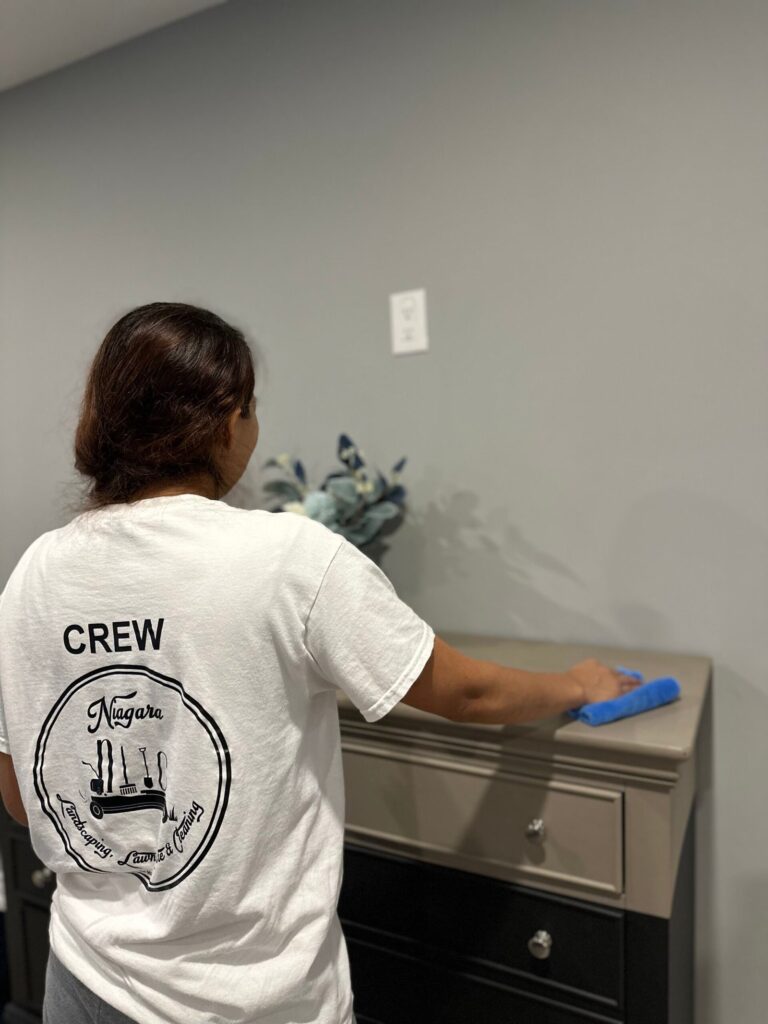
The First Five Minutes Decide Your Star Rating A guest unlocks the door, rolls their suitcase into the entryway, and takes one long look around before they’ve even set their bag down. In that first glance, they’re already forming an opinion about your listing – and that opinion is almost never about the throw pillows or the artwork on the wall. It’s about whether the countertops look wiped, whether the bathroom smells fresh, and whether the sheets look like they were actually changed. That snap judgment, made in under a minute, is the single biggest factor in whether your Airbnb earns a five-star review or a lukewarm three. Cleanliness isn’t just one line item on a guest’s checklist. On Airbnb, it’s a dedicated rating category that guests score every single stay, and it quietly shapes almost everything else about how your listing performs – your search ranking, your eligibility for badges like Superhost and Guest Favorite, and ultimately, your booking calendar. Hosts across the Niagara Region are discovering that Airbnb cleaning isn’t a task to check off between guests; it’s the operational backbone of a profitable short-term rental. This guide walks through exactly why cleanliness drives guest reviews, what Airbnb’s rating system actually measures, the turnover mistakes that quietly tank scores, and the practical systems that turn a good listing into a five-star, badge-holding one. Whether you self-manage a single unit in Niagara Falls or run a growing portfolio across the region, the goal here is the same: fewer surprises for your guests, and fewer sleepless nights for you. Understanding How Airbnb’s Review System Actually Works Before diving into cleaning strategy, it helps to understand what’s actually being measured. Airbnb’s review system is double-blind – both host and guest have 14 days after checkout to submit a review, and neither can see what the other wrote until both have submitted or the window closes. Once both reviews are in (or the deadline passes), they publish simultaneously. This design exists to reduce retaliatory reviews, but it also means guests are typically writing their review with a fresh, unfiltered memory of their stay – cleanliness issues included. Guests rate their overall stay on a scale of one to five stars, and separately, they rate six specific sub-categories: cleanliness, accuracy, check-in, communication, location, and value. Here’s the detail that trips up a lot of hosts – the overall star rating is not an average of those six sub-scores. It’s its own independent judgment call. But in practice, cleanliness has an outsized influence on that overall number, because it’s the most visceral, hardest-to-ignore signal a guest experiences. A slightly awkward check-in process is forgivable. A hair on the pillow usually isn’t. Why Cleanliness Carries More Weight Than Its Single Category Suggests Airbnb doesn’t publish per-category ratings to guests browsing your listing – they only see the overall star average and the written reviews. But hosts can see their category breakdown in their Performance dashboard, and property managers who track this data closely have noticed a consistent pattern: a dip in the cleanliness sub-score almost always drags the overall rating down with it, even when every other category scores well. That’s because cleanliness issues tend to show up in the written review too, which shapes how future guests interpret your star rating before they even book. The Data: What Recent Numbers Say About Cleanliness and Reviews The connection between cleanliness and guest satisfaction isn’t a guess – it’s backed by measurable patterns across the short-term rental industry. What’s notable is what the data does not show a strong link to: the price of your cleaning fee. Research analyzing hundreds of thousands of North American listings found virtually no correlation between what a host charges for cleaning and how guests actually rate cleanliness – a $30 cleaning fee and a $250 cleaning fee produced nearly identical cleanliness scores. Guests aren’t judging whether the clean was “worth the price.” They’re judging whether the space was clean, full stop. That’s an important mental shift for hosts: spending more on cleaning doesn’t automatically buy a better score. Spending smart, with a consistent process, does. How Cleanliness Connects to Airbnb’s Superhost and Guest Favorite Badges If you’ve ever wondered why some Niagara-area listings seem to stay booked nearly year-round while comparable properties sit empty, badges are usually part of the story. Airbnb rewards consistently well-reviewed hosts with visible status markers that guests actively filter by – and cleanliness sits at the center of qualifying for both. Superhost Status Superhost is evaluated quarterly, on a trailing 365-day basis, across an entire host account. To qualify, hosts generally need to maintain an average rating around 4.8 or higher, a response rate of 90% or above, a cancellation rate under 1%, and a minimum number of completed stays. Because the status applies account-wide, one poorly cleaned property in a multi-listing portfolio can jeopardize the badge across every unit a host manages – which is exactly why professional property managers treat cleaning consistency as a non-negotiable operational standard, not a nice-to-have. The Guest Favorite Badge Introduced more recently, the Guest Favorite badge works differently – it’s awarded at the individual listing level rather than the host level, based on ratings, review volume, and reliability. To even be considered, a listing typically needs an overall rating near 4.9 and a minimum handful of reviews, with the highest-performing listings maintaining scores in the top 1 to 10 percent of eligible properties. Because a rating of 4.9 essentially requires near-unanimous five-star reviews, even a small handful of four-star ratings caused by an inconsistent clean can knock a otherwise excellent listing out of contention. Cleanliness and accuracy are the two categories most likely to single-handedly sink an otherwise glowing set of reviews. For Niagara hosts competing in a market that welcomes more than 12 million visitors a year, that badge visibility genuinely matters. A badge tells a scanning guest, in a single glance, that a listing is a safe, predictable choice – and predictability is exactly what
Residential vs Commercial Cleaning: What’s the Difference?
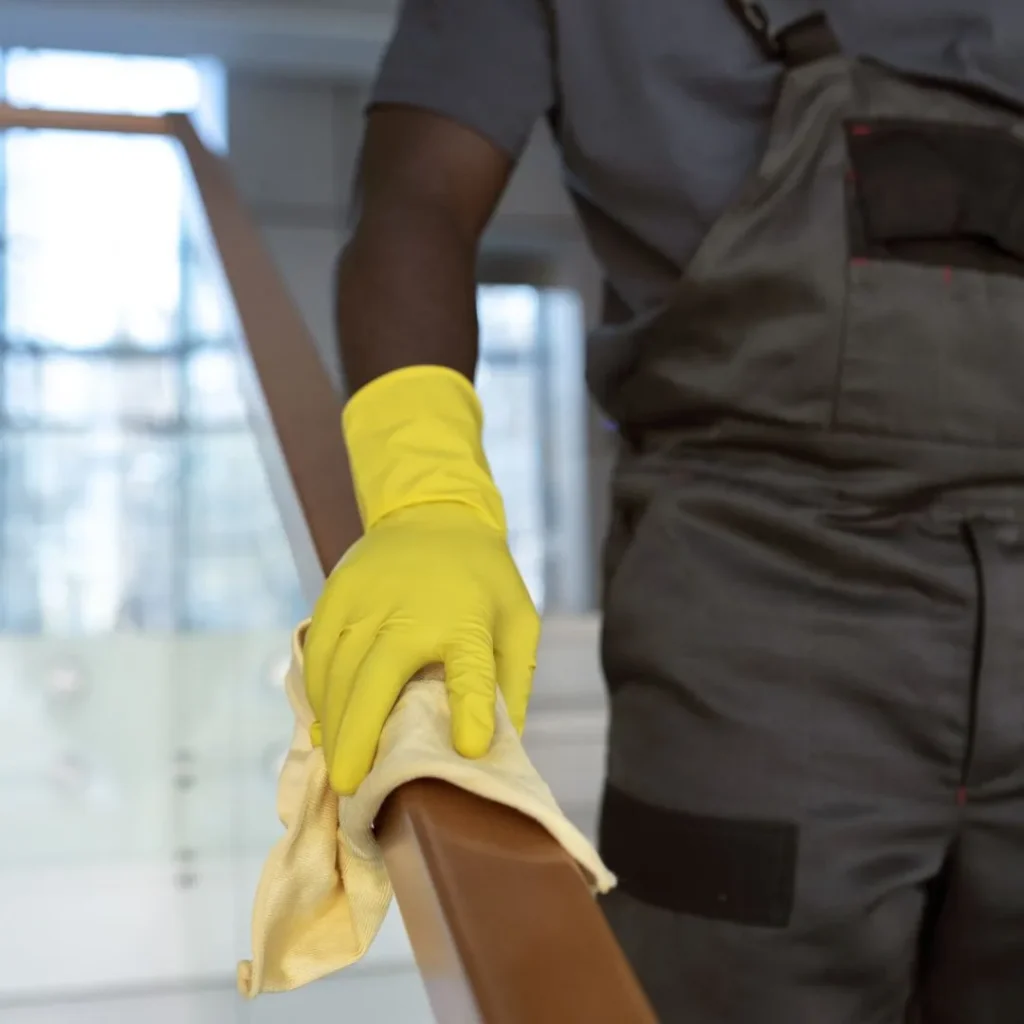
Cleaning a home and cleaning a business might look similar from the outside – someone shows up with a mop, a vacuum, and a bucket of supplies. But underneath that surface, residential vs commercial cleaning are two very different services, built around different goals, different standards, and completely different pressures. Homeowners want comfort. Businesses need compliance. A missed spot on a kitchen counter is an inconvenience at home; a missed spot in a food-prep area or a medical office can be a health code violation. Understanding these differences matters whether you’re a homeowner deciding what kind of service to book, a small business owner comparing quotes, or a property manager in Niagara Falls, St. Catharines, or Welland juggling both residential units and commercial tenants. This guide breaks down exactly how residential and commercial cleaning differ – in scope, equipment, scheduling, cost, and standards – plus how to know which one your space actually needs. We’ll also cover current 2026 Ontario pricing for both, so you know what to expect before you request a quote. It’s a mistake plenty of business owners and homeowners make without realizing it: booking whichever cleaning company answers the phone first, without checking whether that company actually specializes in the type of space being cleaned. A residential cleaner who’s spent years perfecting a cozy, homeowner-friendly routine may not have the equipment, insurance, or training to take on a 5,000-square-foot warehouse. And a commercial cleaning crew built for overnight office resets might feel like overkill – and cost like it, too – for a three-bedroom bungalow. Getting this distinction right from the start saves time, money, and a lot of frustration on both sides of the arrangement. What Is Residential Cleaning? Residential cleaning covers private homes, condos, and apartments. It’s built around comfort, presentation, and the everyday habits of the people living there. A residential cleaner works around a family’s schedule, respects personal belongings, and adjusts to preferences – some homeowners want fragrance-free products because of allergies, others want pet-safe cleaners because of a dog or cat in the house. This personal, adaptive approach is really what sets residential cleaning apart at its core. No two homes are cleaned exactly the same way, because no two households live exactly the same way. A cleaner working in a home with young kids might prioritize disinfecting toys and high-touch surfaces. A cleaner working in a home with an elderly resident might move more carefully around mobility aids or medical equipment. That flexibility is a feature, not a limitation – it’s what makes residential cleaning feel less like an inspection and more like a helping hand. What’s Included in Residential Cleaning A typical residential visit covers: Beyond the standard visit, most residential cleaning companies also offer deep cleaning, move-in/move-out cleaning, and Airbnb turnover cleaning as add-on or specialty services, since homes go through different life stages that call for different levels of attention. How Residential Cleaning Is Scheduled Residential cleaning is almost always flexible. Homeowners book weekly, biweekly, or monthly visits, and can usually adjust, skip, or cancel a booking with a few days’ notice. Pricing is typically per visit or hourly, and there’s rarely a long-term contract involved – it’s a relationship you can scale up or down as life changes. What Is Commercial Cleaning? Commercial cleaning covers offices, retail stores, warehouses, medical clinics, restaurants, and any other space used for business. The goal shifts from comfort to compliance: a clean commercial space protects employee health, meets safety regulations, and shapes how clients and customers perceive the business the moment they walk through the door. Anyone comparing office cleaning services Niagara Falls businesses currently rely on will notice the scope tends to be far more standardized than residential work. That’s intentional. A business needs consistency – the same washrooms cleaned to the same standard every single visit, regardless of which technician is on shift that day. Homeowners can tolerate some variation from week to week; a medical clinic or a food-service business generally cannot, since inconsistent cleaning can translate directly into compliance risk or a failed inspection. What’s Included in Commercial Cleaning Commercial cleaning tends to be broader in scope and more standardized than residential work. A typical commercial service agreement includes: Some industries need even more – medical offices require specific disinfection protocols, food service spaces need compliance with health authority standards, and industrial facilities may involve hazardous waste handling that residential cleaners simply aren’t trained or licensed for. How Commercial Cleaning Is Scheduled Commercial cleaning usually runs on a formal service agreement rather than a casual booking. Many businesses schedule cleaning after hours or overnight to avoid disrupting staff and customers, and service frequency ranges from daily janitorial visits for high-traffic offices to a few times a week for smaller spaces. Agreements typically spell out scope, frequency, response times, and pricing upfront, which protects both the business and the cleaning company from misunderstandings down the road. This formality also gives businesses something residential clients rarely need: a documented service history. If a health inspector asks how often washrooms are sanitized, or if a lease requires proof of ongoing janitorial service, a written agreement and a consistent visit log make that easy to produce. Homeowners almost never need this level of documentation, which is one more reason the two service types are structured so differently from the outset. How They Compare, Side by Side Residential Cleaning Commercial Cleaning Client Homeowner or tenant Business owner or property manager Goal Comfort and presentation Compliance, hygiene, and professional image Scheduling Flexible, daytime, casual booking Formal contract, often after-hours Equipment Consumer-grade tools and products Industrial-grade equipment, EPA-registered disinfectants Standards Homeowner preference Health, safety, and industry-specific compliance Staffing Often one cleaner or a small team Trained, bonded, and insured crews Typical Ontario cost $30–$55/hour or $120–$350/visit $0.08–$0.25/sq ft or $30–$60/hour per cleaner 2026 Pricing in Ontario Residential cleaning in Ontario generally runs $30 to $55 per hour, or $120 to $350 for a flat-rate visit on a standard home, with deep cleans
The Ultimate Office Cleaning Checklist Every Business Should Follow in 2026

Walk into any workplace and you can tell within about ten seconds whether the people running it care about the details. A sticky breakroom counter, an overflowing bin by reception, dusty blinds in the boardroom – none of it is a huge deal on its own, but together it tells a story. And that story affects everything from how long a client trusts you to how many of your own staff call in sick this month. That’s exactly why a well-built office cleaning checklist has become one of the most practical tools a business owner can put in place this year. It isn’t glamorous. It won’t show up on a pitch deck. But it quietly protects your team’s health, your brand’s reputation, and your bottom line – every single day, whether anyone’s watching or not. This guide breaks down exactly what belongs on your checklist, how often each task should happen, and how to adapt it whether you’re running a two-person startup office in downtown Niagara Falls or a 15,000-square-foot facility in St. Catharines. We’ll also look at where office cleaning is heading in 2026, the mistakes most businesses make without realizing it, and when it makes sense to bring in a professional team instead of handling it in-house. By the end, you’ll have a practical, ready-to-use system – not just a vague sense that “someone should probably clean that” – along with a clear sense of which tasks genuinely need a professional touch and which ones a small in-house routine can handle on its own. Why This Matters More Than Ever for Your Business A few years ago, “cleaning the office” mostly meant emptying bins and running a vacuum before the weekend. That bar has moved, and so has the standard for workplace hygiene across nearly every industry. Employees, clients, and job candidates now notice – consciously or not – whether a workplace feels genuinely cared for or just tidied up around the edges. There’s also a harder, dollars-and-cents reason to take this seriously. Sick days linked to office germs cost Canadian businesses a real amount of lost productivity every year, and the average worker takes several sick days annually that trace back at least partly to workplace exposure. Facilities that run a structured cleaning program consistently report fewer of those days lost. One widely cited workplace study found that employees in cleaner, better-maintained environments were noticeably more productive and reported fewer symptoms of illness than those in neglected spaces. The connection isn’t abstract. High-touch surfaces – door handles, shared keyboards, elevator buttons, coffee machine buttons – get touched by dozens of people a day and can carry far more bacteria than most people assume. Without a routine that specifically targets those spots, illness moves through a team quickly, especially during Ontario’s cold and flu season. A consistent cleaning schedule breaks that chain before it starts, rather than reacting to it after half the office is out sick. There’s a productivity angle beyond illness, too. Research from environmental psychology consistently shows that visual clutter and grime quietly compete with focused work for the same mental bandwidth. A University of Arizona study on office environments found that people working in clean, organized spaces performed measurably better than those in cluttered ones. In other words, a clean office isn’t just about appearances – it’s a productivity tool your business is currently either using or leaving on the table. Finally, there’s the trust factor. When a potential client walks into a Niagara Falls office for the first time, the state of the reception area and washrooms shapes their first impression before a single word is spoken. Property managers know this well – buildings with strong, consistent maintenance records attract better tenants and higher confidence from the people who use them. The same logic applies to any customer-facing business. What Belongs in a Business Cleaning Checklist A genuinely useful office cleaning checklist isn’t a single list – it’s layered, with tasks grouped by how often they need doing. Daily tasks protect health and appearance. Weekly tasks maintain the space. Monthly and seasonal tasks protect your assets – the carpets, the HVAC system, the furniture – from long-term wear. Below is a complete framework you can adopt as-is or adjust to fit your business. Whoever owns this checklist should also own accountability for it – a task with no name attached to it is a task that eventually gets skipped. Daily Office Cleaning Tasks These are the non-negotiables. Skipping daily tasks even for a few days is when offices start to feel – and function – noticeably worse. Reception and Common Areas Workstations and Shared Desks High-Touch Surfaces This category deserves its own line item because it’s the one most offices miss. Every day, someone should be disinfecting: Kitchen and Break Room Restrooms Trash and Recycling Weekly Office Cleaning Tasks Weekly tasks maintain the deeper cleanliness that daily wiping doesn’t reach. H3: Boardrooms and Meeting Spaces Boardrooms deserve a specific weekly pass since they’re often used for client meetings: Monthly and Quarterly Deep Cleaning Tasks This is where a basic tidy-up becomes real deep cleaning – the tasks that protect your space and your equipment over the long run. Why Deep Cleaning Can’t Be Skipped Daily and weekly tasks manage what’s visible. Deep cleaning manages what isn’t – the dust inside vents, the allergens trapped in carpet fibers, the buildup behind a filing cabinet nobody’s moved in two years. Skipping this layer doesn’t just make the space feel less fresh; it shortens the life of your flooring, furniture, and HVAC system, all of which cost far more to replace than to maintain. Seasonal and Annual Cleaning Tasks Niagara businesses deal with a specific seasonal challenge most cleaning checklists ignore: winter. Road salt, slush, and de-icing chemicals get tracked into entryways for months at a time, and they’re abrasive on flooring if left unaddressed. Customizing Your Checklist by Business Type Not every workplace has the same cleaning needs. A generic checklist is a good
Commercial Cleaning vs In-House Cleaning: Which Is Better for Your Niagara Business in 2026?
If you run a business in Niagara Falls, St. Catharines, Welland, or anywhere else in the region, you’ve probably had this conversation with yourself at least once: should we hire our own cleaner, or should we bring in a professional cleaning company? It sounds like a small decision. It isn’t. The choice you make affects your budget, your legal exposure, how your space looks to customers, and how much time you personally spend managing something that has nothing to do with running your actual business. This is the commercial cleaning vs in-house cleaning debate, and in 2026 it matters more than ever. Labour costs are shifting, compliance rules are tightening, and customer expectations around cleanliness have quietly become a lot higher than they were even three or four years ago. Buyers now choose cleaning providers based on quality first, price second, and reviews third – which tells you cleanliness has become a brand issue, not just a maintenance task. In this guide, we’re going to walk through everything a Niagara business owner or property manager needs to know before making this call. We’ll look at real costs, the risks nobody talks about, staffing headaches, compliance requirements specific to Ontario, and how to figure out which option actually fits your business – not just in theory, but in practice. By the end, you’ll have a clear, honest answer to the commercial cleaning vs in-house cleaning question, tailored to how businesses in the Niagara Region actually operate. What Is In-House Cleaning? In-house cleaning means your business directly employs the person or people responsible for keeping your space clean. They’re on your payroll, they report to you or a manager, and cleaning supplies and equipment are typically purchased and stored on-site. How an In-House Cleaning Team Actually Works When you build an in-house cleaning operation, you’re not just hiring someone to run a vacuum. You’re taking on every responsibility that comes with employing a person in Ontario. That includes recruiting, interviewing, training, scheduling, paying wages, covering vacation and sick time, managing performance, and handling turnover when it happens – and in the cleaning industry, it happens often. You’re also responsible for supplying and maintaining equipment: vacuums, mops, floor buffers, disinfectant sprayers, and consumables like paper towels, garbage bags, and cleaning chemicals. Someone on your team needs to track inventory and reorder before you run out. Who Typically Chooses This Route In-house cleaning tends to make more sense for very large facilities with dedicated space, budget, and management infrastructure already in place – think hospitals, universities, or large manufacturing plants that already have HR and facilities departments built for this kind of thing. For most small and mid-sized businesses in Niagara – retail stores, medical offices, restaurants, professional offices, and small commercial buildings – building an in-house team from scratch is a much heavier lift than it initially appears. It’s also worth thinking about who ends up managing that team day to day. In a small business, that responsibility usually falls on an owner, office manager, or operations lead who already has a full plate. Cleaning becomes one more thing to think about between customer calls, inventory, and everything else that actually grows the business. Over time, that management overhead is often the part owners underestimate most – not the wage itself, but the mental bandwidth spent scheduling, checking in, and stepping in when something goes wrong. What Is Commercial Cleaning (Outsourced)? Commercial cleaning, sometimes called outsourced cleaning or contract cleaning, means you hire a professional cleaning company – like NLLC – to handle cleaning on a scheduled basis. The cleaning company employs, trains, insures, and manages its own staff. You simply receive the service. How a Commercial Cleaning Company Operates A commercial cleaning company absorbs the entire operational burden that in-house cleaning puts on you. Wages, payroll taxes, insurance, background checks, training, supervision, and equipment all sit with the provider. You sign a service agreement that defines what gets cleaned, how often, and to what standard, and the company delivers against that agreement. If a cleaner calls in sick, the company sends a replacement. If someone quits, the company handles the rehire. Your business never experiences a gap in service because staffing is the provider’s problem to solve, not yours. Who Typically Chooses This Route Small to mid-sized businesses, medical and dental offices, retail locations, restaurants, property management companies, real estate offices, and multi-unit residential buildings across Niagara Falls, St. Catharines, Welland, and the wider Niagara Region tend to be the best fit for outsourced commercial cleaning. These businesses need consistent, professional results without the overhead of running an internal cleaning department. Property managers in particular tend to gravitate toward outsourced commercial cleaning because they’re often overseeing several buildings at once. Trying to hire, train, and supervise cleaning staff separately for each property would multiply the administrative burden several times over. A single commercial cleaning company can instead standardize service across an entire portfolio, which makes reporting, budgeting, and quality control far simpler to manage from one place. Commercial Cleaning vs In-House Cleaning: The Real Cost Breakdown This is where most business owners get surprised. On paper, hiring one part-time cleaner looks cheaper than paying a monthly contract. In practice, the math rarely works out that way once every cost is accounted for. The True Cost of In-House Cleaning Ontario’s general minimum wage sits at $17.60 per hour, with the next adjustment expected around October 2026. But wage is only the starting point. A full picture of in-house cleaning costs includes: None of these costs show up on a job posting, but they all show up on your books eventually. And under new 2026 Occupational Health and Safety Act rules, employers must also maintain visible cleaning logs for washroom facilities – one more compliance task that lands on whoever manages your in-house team. The True Cost of Outsourced Commercial Cleaning With outsourced commercial cleaning, most of these costs collapse into a single predictable line item. Typical Ontario commercial cleaning pricing in 2026